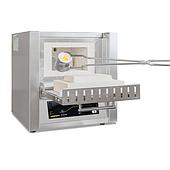
Temperature deviations do not always occur because the target temperature is incorrect. In many cases, the real issue is that the heating rate is incompatible with the thermal characteristics of the material inside the furnace chamber.
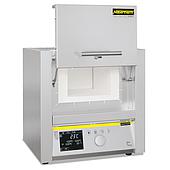
Temperature deviations do not always occur because the target temperature is incorrect. In many cases, the real issue is that the heating rate is incompatible with the thermal characteristics of the material inside the furnace chamber.
Burned-out heating elements are a common issue in laboratory furnaces, heat-treatment workshops, and high-temperature material processing lines. In many cases, the root cause is not simply the temperature setting itself, but the way heat is distributed inside the furnace chamber.

Fiber access networks, data centers, and high-speed transmission systems now operate almost continuously with extremely tight stability requirements. Even a small increase in optical loss can create intermittent instability long before a complete signal failure occurs, making the problem difficult to detect with conventional testing methods.

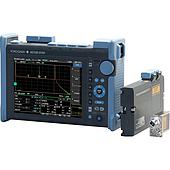
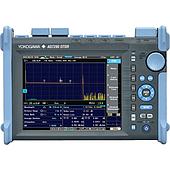
During fiber optic installation and troubleshooting, technicians sometimes encounter a strange situation: the OTDR displays a massive reflection spike indicating a cable break or severe fault, yet when they inspect the reported location, the fiber is completely intact. In some cases, the indicated fault even appears beyond the physical length of the cable itself.

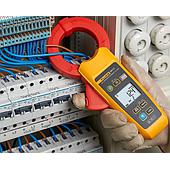
In modern industrial electrical panels, RCCBs or ELCBs are increasingly tripping unexpectedly even when the system appears to be operating normally. In many cases, the issue persists despite using a leakage current clamp meter, performing insulation resistance tests, and even replacing the residual current circuit breaker itself.

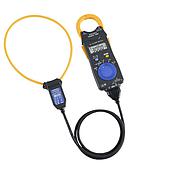
When choosing a clamp meter, most users tend to focus on the measurement range, CAT safety rating, or brand reputation. However, one of the most critical factors affecting measurement quality actually lies in the design of the clamp jaw itself.

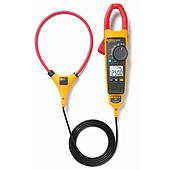
A CAT IV clamp meter does not guarantee absolute safety if the environment contains high transient voltage spikes or if the measurement procedure is not performed correctly. In many cases, the real danger is not the voltage displayed on the screen, but extremely short voltage surges capable of generating arc flash and destroying the instrument within microseconds.

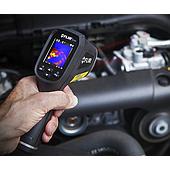
In real industrial operations, owning an expensive infrared thermometer does not automatically guarantee accurate readings. Measurement errors rarely stem from sensor quality; instead, they often arise from a mismatch between the device and the physical properties of the surface being measured. Engineers need to look beyond the basics and understand the underlying barriers related to wavelength and optics—factors that are rarely addressed in general documentation.

In backup power systems (UPS), telecommunications, solar energy, or automotive starting systems, 12V batteries are widely used. However, a common mistake among users and even technicians is relying solely on voltage (V) while ignoring the key factor that truly determines discharge capability—the internal resistance.

Choosing and maintaining batteries for electric bikes plays a crucial role in determining both durability and travel range. Today’s market offers a wide variety of battery technologies—from traditional lead-acid batteries to modern lithium-based solutions.
ຮັບສ່ວນຫຼຸດພິເສດຕາມປະລິມານ, ອັບເດດລາຄາຂາຍສົ່ງ ແລະ ການແຈ້ງເຕືອນສິນຄ້າໃໝ່ສົ່ງກົງເຖິງອິນບັອກຂອງທ່ານ.
ໂດຍການສະໝັກສະມາຊິກ, ທ່ານຍອມຮັບ ເງື່ອນໄຂການໃຫ້ບໍລິການ ແລະ ນະໂຍບາຍຄວາມເປັນສ່ວນຕົວ ຂອງພວກເຮົາ.
ເຂົ້າເຖິງຜູ້ຊ່ຽວຊານທີ່ໄດ້ຮັບການຢັ້ງຢືນຂອງພວກເຮົາໂດຍກົງ