In practice, the furnace may still operate within its specified temperature range without triggering any over-temperature alarms, yet the heating elements inside can deteriorate rapidly or even fail after a relatively short period of use. The real causes are often uneven heat distribution, repeated thermal shock, chemical residue buildup on the elements, or poorly optimized temperature control settings.
Furnace Heating Elements Often Fail Due to Localized Overheating
In many modern furnaces, the temperature sensor measures heat from only one fixed location. As a result, the temperature shown on the controller does not always reflect the actual thermal condition of the entire heating element system.
When ash, chemical vapors, or material residue accumulate on the heating wires, heat dissipation begins to change. Certain areas become significantly hotter than others, creating localized hot spots even though the furnace’s overall temperature still appears normal.
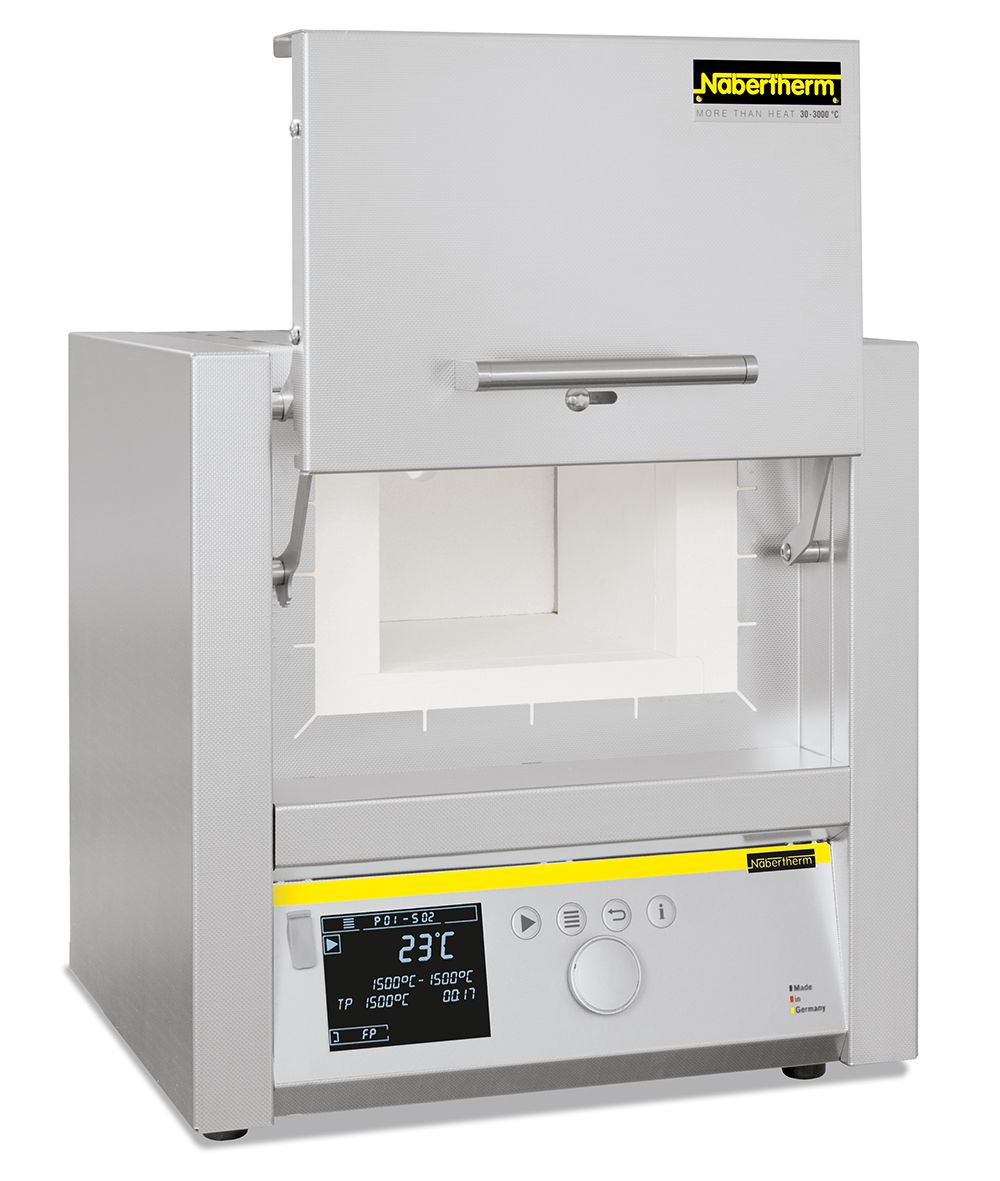
Opening a Hot Furnace Door Can Rapidly Degrade the Heating Elements
During operation, opening the furnace door suddenly at high temperature allows cold air to rush into the chamber, causing severe thermal shock on the surface of the heating elements. After repeated cycles of expansion and contraction, the protective oxide layer starts to crack, and the element’s oxidation resistance deteriorates rapidly.
This issue is particularly common in laboratory testing, heat treatment, ceramic firing, and ash analysis processes where samples need to be checked frequently during heating cycles.
PID Controllers Also Affect Heating Element Lifespan
A common misconception is that a PID controller only affects temperature stability. In reality, PID parameters also have a major impact on heating element durability.
If the relay switches too frequently or the heating ramp rate is not configured properly, the heating wire continuously expands and contracts in small cycles. Although this process happens gradually and often goes unnoticed, it can accelerate material fatigue over time.
That is why two furnaces operating at the same temperature and power rating can still have dramatically different heating element lifespans depending on how the thermal control system is configured.
Why Thermal Uniformity Matters More Than Maximum Power
In the past, furnace selection was often based primarily on maximum temperature capability. However, thermal uniformity and long-term temperature stability are considered far more important for minimizing localized overheating and extending heating element life.
For this reason, currently many modern furnaces now integrate features such as:
Multi-step heating programs
High-precision PID control
Multiple independent heating zones
Controlled heating ramp rates
As laboratories and heat-treatment applications demand increasingly stable thermal performance, choosing the right furnace is no longer just about achieving high temperatures. It also depends heavily on the furnace’s ability to maintain precise and stable heat control throughout the entire operating process.
Top 3 Recommended Control Temp Furnace
DaiHan FT-31460 : Features 3-zone temperature control with PID regulation, ideal for applications involving thermal gradient management.
DaiHan DH.FSC02011: Strong temperature programming capability with multiple heating segments for complex thermal profiles
NABERTHERM L(T) Series: Excellent thermal uniformity and time control performance, well suited for QA/QC laboratory furnace applications.