
29/09/y 10:57:56
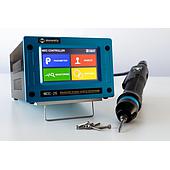
Torque-controlled assembly tools can help electronics manufacturers apply and document fastening requirements, verify bit selection, enforce sequences, and collect station-level process data.
Torque-controlled assembly tools can help electronics manufacturers apply and document fastening requirements, verify bit selection, enforce sequences, and collect station-level process data.
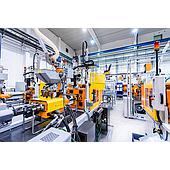
High-volume assembly benefits from consistent torque control, ergonomic support, lower-noise tools, soft-stop fastening for delicate joints, and durable brushless tool designs.
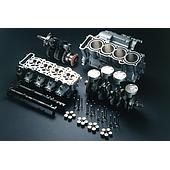
RPM may affect torque applied to an assembly joint because speed changes the duration of applied force and can change inertia. Record validated RPM settings and verify residual torque at the joint.
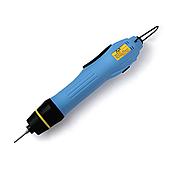
Brushless electric screwdrivers use electronic commutation rather than motor brushes. For high-volume assembly, this can reduce wear-related maintenance and support more consistent fastening operations.
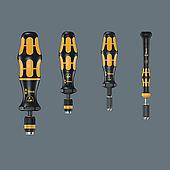
Power torque tools support controlled fastening by applying the required torque to screws. Tool selection should consider torque tolerance, speed, fastener size, controls, ESD needs, maintenance, and total cost of ownership.
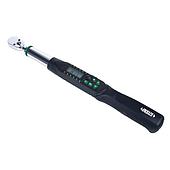
Electronics assembly calls for controlled low-range torque, ESD-safe construction, and run-down speed suited to production demand. Electronic and automation torque screwdrivers address different workflow needs.
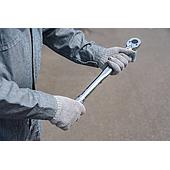
Monitor the operating cycle or usage hours to schedule maintenance. Check the lubrication, loose components, and signs of wear. Clean the exterior with a dry cloth and store the tool in a clean, dry place. Return a calibrated torque wrench to the minimum scale setting before storage.

Assembly automation and line monitoring help manufacturers pursue consistent quality through repeatable tasks, fastening-process monitoring, error notification, and line-control integration.

A solar PV system may use certified solar panels, inverters, and protective devices, but this does not automatically mean that the entire system is safe. The installation quality of the complete system must be independently checked against the applicable safety requirements.
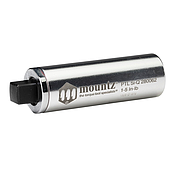
Push-to-start drivers start when the operator applies deliberate pressure to the workpiece. They can support more natural hand movement, repeatable torque application, reduced accidental starts, and faster fastening cycles in assembly, manufacturing, and maintenance work.
ຮັບສ່ວນຫຼຸດພິເສດຕາມປະລິມານ, ອັບເດດລາຄາຂາຍສົ່ງ ແລະ ການແຈ້ງເຕືອນສິນຄ້າໃໝ່ສົ່ງກົງເຖິງອິນບັອກຂອງທ່ານ.
ໂດຍການສະໝັກສະມາຊິກ, ທ່ານຍອມຮັບ ເງື່ອນໄຂການໃຫ້ບໍລິການ ແລະ ນະໂຍບາຍຄວາມເປັນສ່ວນຕົວ ຂອງພວກເຮົາ.
ເຂົ້າເຖິງຜູ້ຊ່ຽວຊານທີ່ໄດ້ຮັບການຢັ້ງຢືນຂອງພວກເຮົາໂດຍກົງ