
03/10/y 09:41:29
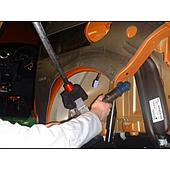
Assembly ergonomics starts with workstations that accommodate different operators. Torque arms can position compatible electric or pneumatic tools perpendicularly to help limit side loading and cross-threading.
Assembly ergonomics starts with workstations that accommodate different operators. Torque arms can position compatible electric or pneumatic tools perpendicularly to help limit side loading and cross-threading.

Reliable torque control combines application-appropriate tools, scheduled calibration, preventive maintenance, and routine testing to manage fastening consistency.
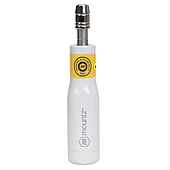
ESD-safe torque screwdrivers combine electrostatic-discharge control with controlled fastener tightening. They are useful when assembling circuit boards, microprocessors, sensors, and other static-sensitive electronic components.
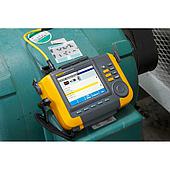
Loosening or wear never happens overnight; it always stems from minor degradations over time. If the maintenance team waits until mechanical noise is emitted or bearings overheat before intervening, the production line already faces the risk of unexpected downtime and massive repair costs.
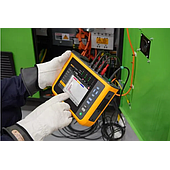
Power quality analysis is the process of measuring, monitoring, collecting, and evaluating electrical power parameters (such as voltage, frequency, and waveform) to determine whether they are stable and within acceptable limits
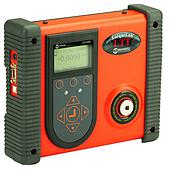
Precision torque control supports assembly quality by matching torque requirements to the joint, verifying tools regularly, and maintaining consistent work practices.
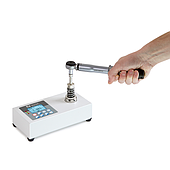
Effective bolted-joint tightening depends on calibrated torque control, torque values informed by joint testing, and a tightening sequence that distributes preload evenly. Washer fit, flange fasteners, gasket relaxation, and embedding also affect preload retention.
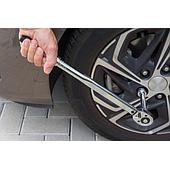
Automotive torque calibration tools help shops check torque-wrench performance where work is done. On-demand testing can support wheel-service process control, reduce reliance on periodic checks, and reinforce correct torque practices.
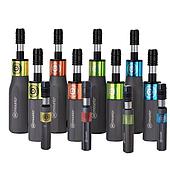
Preset torque screwdrivers support fixed, tamper-resistant settings, while adjustable models provide an external scale for changing torque requirements.
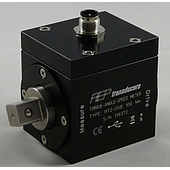
Brush rotary torque sensors use physical brush contact, while brushless designs transfer power and torque data without mechanical contact. Brushless designs can be preferable for pulse-tool testing, lower torque readings, reduced wear, and applications where brush-related limitations matter.
ຮັບສ່ວນຫຼຸດພິເສດຕາມປະລິມານ, ອັບເດດລາຄາຂາຍສົ່ງ ແລະ ການແຈ້ງເຕືອນສິນຄ້າໃໝ່ສົ່ງກົງເຖິງອິນບັອກຂອງທ່ານ.
ໂດຍການສະໝັກສະມາຊິກ, ທ່ານຍອມຮັບ ເງື່ອນໄຂການໃຫ້ບໍລິການ ແລະ ນະໂຍບາຍຄວາມເປັນສ່ວນຕົວ ຂອງພວກເຮົາ.
ເຂົ້າເຖິງຜູ້ຊ່ຽວຊານທີ່ໄດ້ຮັບການຢັ້ງຢືນຂອງພວກເຮົາໂດຍກົງ