

05/10/y 15:40:12
A comprehensive occupational safety handbook integrating quantitative technical standards and international-standard emergency response procedures
A comprehensive occupational safety handbook integrating quantitative technical standards and international-standard emergency response procedures
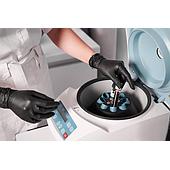
In clinical testing and the preparation of platelet-rich plasma (PRP), the success of the procedure depends entirely on the precision of sample separation. The EMIN refrigerated centrifuge effectively eliminates the issue of sample denaturation caused by frictional heat through an active cooling mechanism, thereby maximizing the preservation of enzymatic and cellular biological activity

Reliable torque control combines application-appropriate tools, scheduled calibration, preventive maintenance, and routine testing to manage fastening consistency.
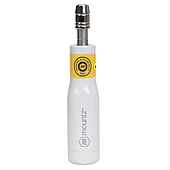
ESD-safe torque screwdrivers combine electrostatic-discharge control with controlled fastener tightening. They are useful when assembling circuit boards, microprocessors, sensors, and other static-sensitive electronic components.
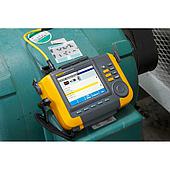
Loosening or wear never happens overnight; it always stems from minor degradations over time. If the maintenance team waits until mechanical noise is emitted or bearings overheat before intervening, the production line already faces the risk of unexpected downtime and massive repair costs.
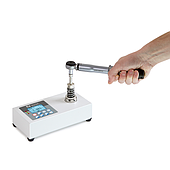
Effective bolted-joint tightening depends on calibrated torque control, torque values informed by joint testing, and a tightening sequence that distributes preload evenly. Washer fit, flange fasteners, gasket relaxation, and embedding also affect preload retention.
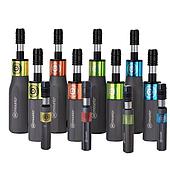
Preset torque screwdrivers support fixed, tamper-resistant settings, while adjustable models provide an external scale for changing torque requirements.
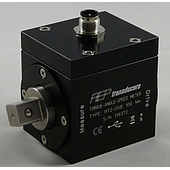
Brush rotary torque sensors use physical brush contact, while brushless designs transfer power and torque data without mechanical contact. Brushless designs can be preferable for pulse-tool testing, lower torque readings, reduced wear, and applications where brush-related limitations matter.
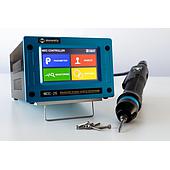
Torque-controlled assembly tools can help electronics manufacturers apply and document fastening requirements, verify bit selection, enforce sequences, and collect station-level process data.
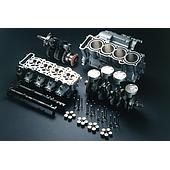
RPM may affect torque applied to an assembly joint because speed changes the duration of applied force and can change inertia. Record validated RPM settings and verify residual torque at the joint.
ຮັບສ່ວນຫຼຸດພິເສດຕາມປະລິມານ, ອັບເດດລາຄາຂາຍສົ່ງ ແລະ ການແຈ້ງເຕືອນສິນຄ້າໃໝ່ສົ່ງກົງເຖິງອິນບັອກຂອງທ່ານ.
ໂດຍການສະໝັກສະມາຊິກ, ທ່ານຍອມຮັບ ເງື່ອນໄຂການໃຫ້ບໍລິການ ແລະ ນະໂຍບາຍຄວາມເປັນສ່ວນຕົວ ຂອງພວກເຮົາ.
ເຂົ້າເຖິງຜູ້ຊ່ຽວຊານທີ່ໄດ້ຮັບການຢັ້ງຢືນຂອງພວກເຮົາໂດຍກົງ