Take it apart and see where it's broken
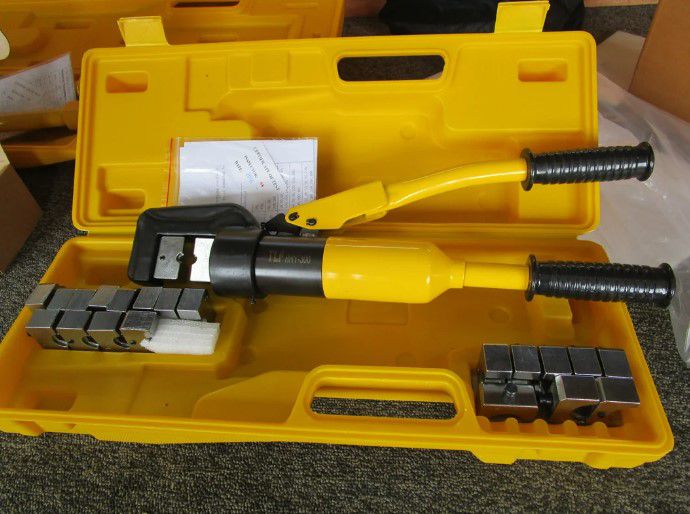
To determine the error and fix the hydraulic cos press pliers, you first need to disassemble the internal parts for inspection. This is not too complicated, but it needs to be done properly to avoid damaging the device.
Disassemble the parts
Start by removing the two eyelets using pliers. Then, continue to remove the screw to remove the lever of the hydraulic pliers. Once you have removed this part, you will see the hydraulic hose inside. Carefully disassemble it to expose the flexible oil tube, then proceed to remove the oil tube.
Drain old oil and clean details
Any equipment needs maintenance after a period of use, and hydraulic crimping pliers are no exception. The oil inside can become dirty and lose its lubricating effect, so you need to drain all the old oil before replacing it.
Use a wrench to unscrew the part to be removed in the correct position. Once opened, you will see two pieces of sin inside. You can use an electric tester or a small stick to take them out. Next, remove the On/Off knob, but be careful because there is a small red ball inside, avoid losing it.
Clean the inside of the device
After disassembling the parts, continue using a wrench to remove the machine head. If it feels too tight, you can use a wrench to help and then tighten it by hand. When you open it, you will see the spring inside is covered with dry oil. Continue to remove the spring and remove the nipple for thorough cleaning.
Complete the cleaning process
After removing all components inside the hydraulic cos press pliers, use a soft cloth to wipe off old oil, dirt and sediment.
How to add oil to hydraulic cos pliers
After thoroughly cleaning the internal components, you can proceed with reassembling them in the correct order. Ensure that all joints and connections are properly fitted to maintain the device’s stable operation.
When it comes to oil refilling, use 10-weight hydraulic oil and pour it into the hydraulic tube. Pour slowly to allow the oil to distribute evenly, avoiding overfilling or underfilling. Once finished, securely close the cap and wipe off any excess oil to keep the device clean.
Finally, reassemble all parts according to their original positions. Once completed, the hydraulic crimping tool will operate more smoothly, eliminating any jamming or resistance. If the device still does not function properly after cleaning and refilling the oil, there may be another technical issue. In this case, you should bring the tool to EMIN or the nearest repair center for a thorough inspection.