
For full functionality of this site it is necessary to enable JavaScript.
EMIN.COM.LA
0

Storing insulin at the wrong temperature: the medication becomes ineffective, yet it’s impossible to tell by looking at it

19/11/y 10:00:13

When insulin and other biological products are stored outside the recommended temperature range (2°C to 8°C for unopened products), their protein structures become denatured, leading to a reduction or complete loss of therapeutic activity. In many cases, the medication may be compromised without showing any visible signs, posing a risk of difficult-to-control hyperglycemia and constituting a violation of pharmaceutical storage standards

Pharmaceutical storage · Insulin and biologics

Storing insulin at the wrong temperature: the drug spoils where the naked eye cannot tell

Insulin and other biologics stored outside the recommended temperature range (2°C to 8°C for unopened products) suffer protein denaturation, which reduces or completely destroys their therapeutic activity. In many cases the drug is spoiled with no visible sign, creating a risk of hard-to-control hyperglycemia and a breach of pharmaceutical storage standards.

Below 0°CFrozen, structure permanently destroyed
2 – 8°CUnopened: recommended range
Below 25 – 30°CIn use, up to 28 days
Above 30°CBreakdown and protein aggregation

Why are insulin and biologics so sensitive to temperature?

Insulin and biologics such as vaccines, serums, and monoclonal antibodies are peptide or protein chains with a complex three-dimensional structure. That structure determines whether the drug works at all.
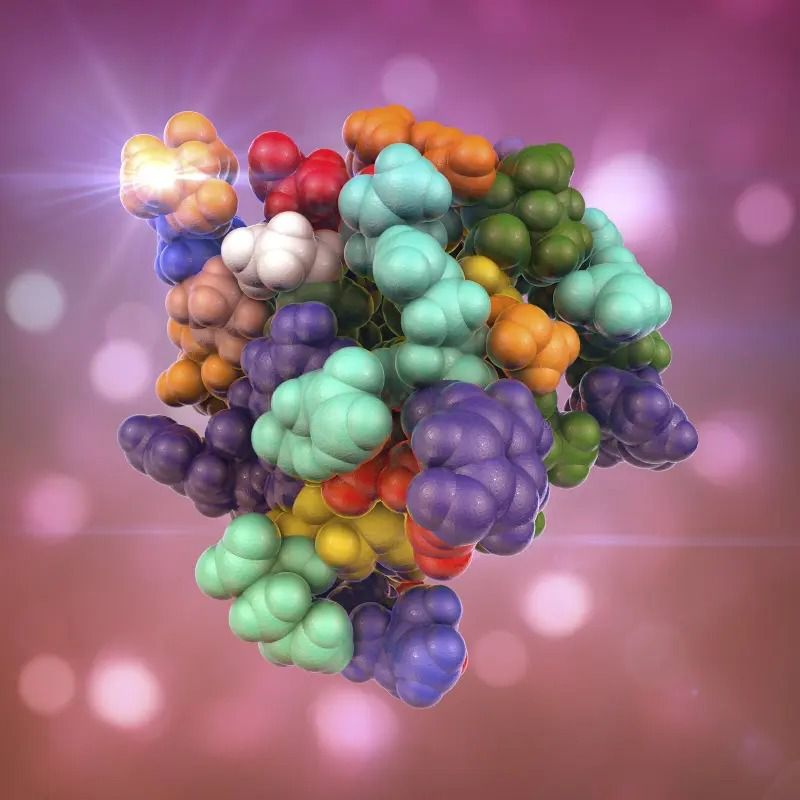
3D molecular structure of insulin
3D structureThe protein molecule holds its shape through chemical bonds within it.
Temperature breaks the bondsToo hot or too cold breaks the bonds that hold the structure together. The active ingredient can no longer bind to receptors on target cells.
Loses effect, hard to detectAccording to the FDA and the Ho Chi Minh City Department of Health, insulin exposed to high temperatures can stay clear and normal in color yet already have lost its blood-sugar-lowering effect.

What risks come from storing at the wrong temperature?

TOO HOTAbove 30°C: the drug loses potency fastHigh temperature accelerates breakdown and protein aggregation. Leaving the drug near a heat source, in direct sunlight, or in a car trunk makes it lose potency quickly.
FROZENBelow 0°C: permanently ruinedAccording to the FDA and the American Diabetes Association (ADA), frozen insulin suffers permanent damage to its molecular structure. It must never be used, even after it has fully thawed.
FLUCTUATIONTaken out and put back repeatedlyRepeatedly taking an in-use pen out of the refrigerator and putting it back makes the solution expand and contract in cycles, easily drawing in air that forms bubbles and causes dosing errors (according to Suc khoe & Doi song newspaper).
HEALTHCARE FACILITIESLegal risk and the loss of an entire batchUnder Circular 36/2018/TT-BYT on Good Storage Practice (GSP), refrigerators storing biologics must maintain a range of 2°C – 8°C. Household refrigerators with large temperature differences between compartments (near the evaporator they freeze easily, and the door loses temperature easily) can ruin an entire batch of expensive medicine and fail GPP/GSP validation.

What is the correct storage temperature range?

UNOPENED INSULIN AND BIOLOGICS2°C – 8°CStore in a dedicated cold compartment until the expiry date on the packaging. Do not place it against the back wall or the freezer compartment.
OPENED INSULIN (IN USE)Below 25 – 30°CStore at cool room temperature, away from direct sunlight, for up to 28 days (4 weeks) depending on the manufacturer's instructions (according to Duc Giang General Hospital).

Choosing a pharmaceutical storage cabinet by the amount of medicine

Choose the cabinet capacity according to the amount of medicine you need to store, so there is still enough free space for cold air to circulate. Click each cabinet for a quick look at its specifications.
Pharmaceutical storage cabinets

REFERENCES

  • Circular No. 36/2018/TT-BYT of the Ministry of Health on Good Storage Practice (GSP) for medicines and medicinal ingredients.
  • Guidance on storing injectable insulin from Duc Giang General Hospital and People's Hospital 115.
  • Recommendations on storing insulin in emergencies and extreme temperatures from the US FDA and the American Diabetes Association (ADA).
  • A systematic review of temperature and storage conditions for human insulin in the Cochrane Library and the US National Library of Medicine (PMC).

This content is for reference only. Follow the storage instructions on the drug label and the advice of your doctor or pharmacist.

  • Dedicated pharmaceutical storage cabinets instead of household refrigerators
  • Advice on the right capacity for the amount of medicine you need to store
  • Fast quotation through a single EMIN point of contact
© EMIN Vietnam
×
CLINICS · SMALL PHARMACIES

Meling YC-75L

Temperature range2°C – 8°C
Capacity75 liters

A small-capacity pharmaceutical storage refrigerator, suited to clinics and pharmacies with a moderate amount of medicine and insulin. The 2°C – 8°C range matches the storage requirement for unopened insulin.

View product detailsGet advice and a quotation
×
CLINICS · SMALL PHARMACIES

DaiHan DH.RefP0150

Temperature range2°C – 10°C
Capacity150 liters
DoorGlass door
Voltage230V

A 150-liter vaccine and pharmaceutical storage refrigerator whose glass door lets you see the medicine without opening the door repeatedly. For unopened insulin, set and monitor it to stay within 2°C – 8°C.

View product detailsGet advice and a quotation

×
VACCINATION CENTERS · MID-SIZED HOSPITALS

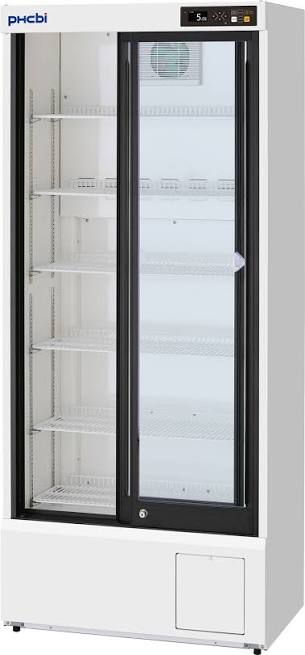
PHCbi MPR-S300H-PE

Temperature range2°C – 14°C
Capacity345 liters

A 345-liter pharmaceutical storage cabinet for vaccination centers and mid-sized hospitals. For unopened insulin, set it to stay within 2°C – 8°C.

View product detailsGet advice and a quotation
×
PHARMACEUTICAL WAREHOUSES · PROVINCIAL HOSPITALS

Haier HYC-1031GD

Temperature range2°C – 8°C
Capacity1031 liters

A large-capacity pharmaceutical storage refrigerator for pharmaceutical warehouses and provincial hospitals. Its 2°C – 8°C range matches the storage requirement for unopened insulin and biologics.

View product detailsGet advice and a quotation
×
PHARMACEUTICAL WAREHOUSES · PROVINCIAL HOSPITALS

DaiHan DH.RefP1300

Temperature range2°C – 10°C
Capacity1300 liters
DoorGlass door
Voltage230V

A 1300-liter vaccine and pharmaceutical storage cabinet for large-volume storage facilities. For unopened insulin, set and monitor it to stay within 2°C – 8°C.

View product detailsGet advice and a quotation
ຂ່າວທີ່ກ່ຽວຂ້ອງ

Purchase genuine Associated Research (ARI) equipment at EMIN, with a 5-year warranty
18/11/y 09:19:46

Since September 2021, EMIN has served as the official distributor in Vietnam for brands under the Ikonix umbrella, including Associated Research. You now have a local point of contact for expert product selection advice, price quotations, and after-sales support eliminating the need to navigate the complexities of sourcing equipment independently. All genuine products come with a manufacturer’s warranty of up to 5 years, subject to the manufacturer’s terms and conditions

SMEMA standard for PCB conveyors
16/11/y 14:00:39

SMEMA was developed to address this specific point; consequently, conveyors, loaders, and unloaders all include an SMEMA port in their technical specifications

ຕິດຕາມຂ່າວສານ ແລະ ຂໍ້ສະເໜີ

ຮັບສ່ວນຫຼຸດພິເສດຕາມປະລິມານ, ອັບເດດລາຄາຂາຍສົ່ງ ແລະ ການແຈ້ງເຕືອນສິນຄ້າໃໝ່ສົ່ງກົງເຖິງອິນບັອກຂອງທ່ານ.

ໂດຍການສະໝັກສະມາຊິກ, ທ່ານຍອມຮັບ ເງື່ອນໄຂການໃຫ້ບໍລິການ ແລະ ນະໂຍບາຍຄວາມເປັນສ່ວນຕົວ ຂອງພວກເຮົາ.

ການຊ່ວຍເຫຼືໍາດ່ວນ

ເຂົ້າເຖິງຜູ້ຊ່ຽວຊານທີ່ໄດ້ຮັບການຢັ້ງຢືນຂອງພວກເຮົາໂດຍກົງ