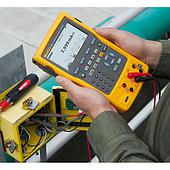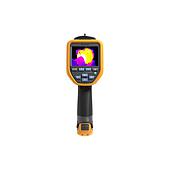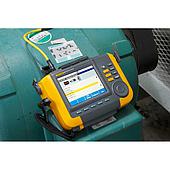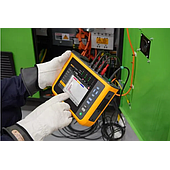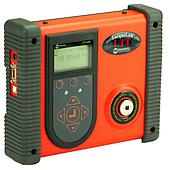
However, the issue of viewing in dark environments isn't simply about screen brightness. LEDs are often more prominent and easier to see from a distance, but prolonged viewing can sometimes be harmful to the eyes. Meanwhile, many current LCD screens still display very clearly thanks to good backlighting and provide a more comfortable viewing experience during continuous use.
LEDs are generally more prominent when needing to be seen from a distance
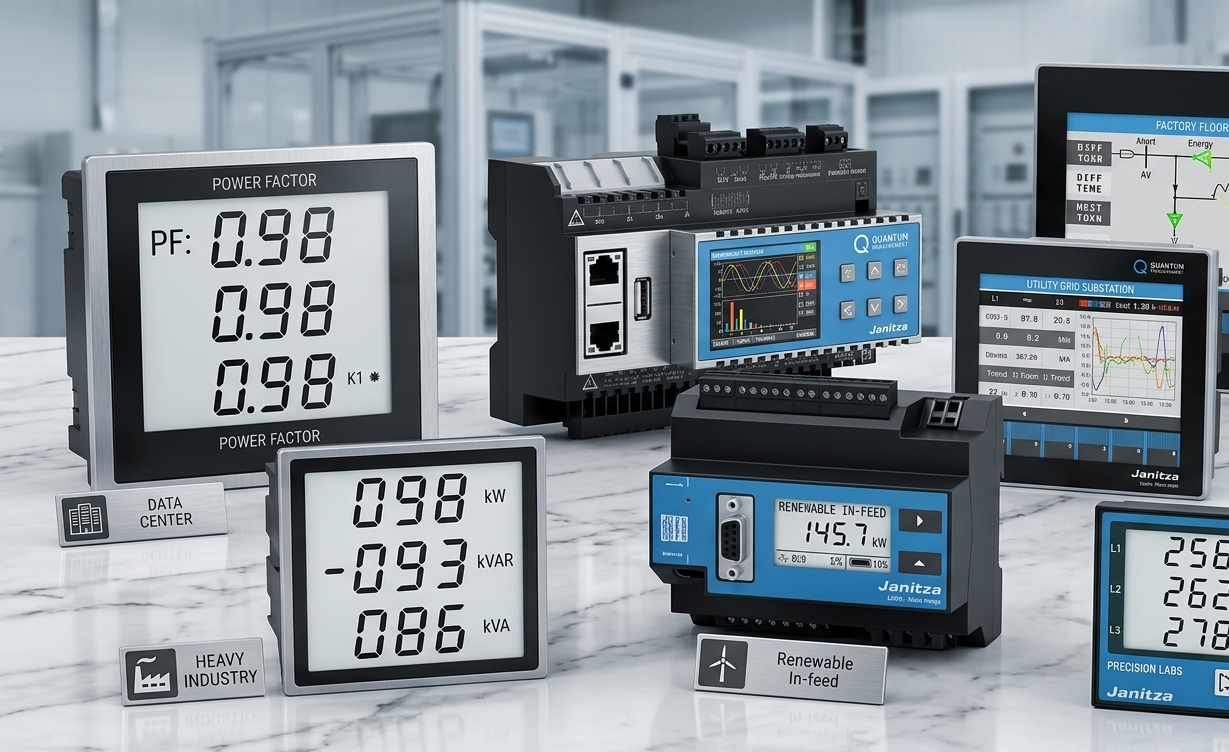
LED displays offer high contrast, making them easy to read quickly even from several meters away. This is why many electrical panel meters, power indicators, and load monitoring devices still prioritize LEDs for critical parameters.
In low-light environments, the numbers displayed on LEDs stand out quite clearly, especially with high-intensity red or green. Operators can quickly see the voltage, load current, or frequency changes with just a glance.
This advantage is particularly useful in generator rooms, large production areas, or electrical panels located above eye level.
LCD screens provide a more comfortable viewing experience during continuous monitoring
Observing a screen for hours on end is a completely different story.
Bright LEDs offer better quick viewing but can also cause eye strain when working at night or in enclosed spaces. LCDs, on the other hand, are more suitable for long-term monitoring due to their softer display and reduced eye fatigue.
Areas like labs, quality control stations, or control rooms often prefer LCDs because users need to continuously monitor parameters for extended periods.
Many modern LCD models have also significantly improved backlighting, resulting in much better visibility in low-light conditions compared to the past.
Each dark environment will offer a very different experience
In some areas, the lighting is almost completely off. In other areas, warning lights, light from machinery, or reflections from other screens are still visible.
An overly bright LED screen in a deeply dark space can sometimes cause slight eye strain during prolonged viewing. Meanwhile, an LCD screen with moderate brightness is much more comfortable.
Conversely, in areas with constantly changing lighting, LEDs still prevail due to their clearer display and faster recognition speed.
The viewing angle also plays a significant role in the ability to read the specifications
Older LCDs often suffer from issues such as blurry images or reduced contrast when viewed from an angle. Newer models have significantly improved this, but LEDs still offer a slight advantage when viewing from multiple positions.
That's why voltage, current, or frequency display meters in industrial electrical cabinets still favor LEDs, especially in locations where users are not in fixed positions.
Ambient temperature also affects the display screen
Some enclosed electrical cabinets or high-load areas often generate continuous heat. LCDs may respond more slowly to drastic temperature changes, while LEDs maintain more stable display performance under harsh conditions.
Conversely, LEDs consume more power and emit light continuously, so they generate slightly more heat than LCDs.
For systems running 24/7, this factor is sometimes considered to optimize equipment lifespan.
Viewing distance, display color, glass reflectivity, installation angle, and ambient light intensity all directly affect the user experience.
Some screens are very bright but can cause eye strain after prolonged viewing. Others are dimmer, making reading parameters faster and more comfortable.
Choosing the right monitor for your usage environment will be more effective
Locations requiring quick remote monitoring or constantly changing lighting are often suitable for LEDs.
Areas requiring continuous monitoring of parameters over long periods are more suitable for LCDs due to their comfortable viewing experience and reduced eye strain.
Currently, EMIN distributes many lines of Panel Meters using both LED and LCD technology, serving diverse needs from industrial electrical cabinets and control rooms to power systems and generators.