When researching anti-static materials, one often encounters specifications such as 10⁶ Ω, 10⁹ Ω, or 10¹² Ω in product catalogs, ESD standards, or on the displays of surface resistivity meters. Despite the subtle differences in notation, each value reflects a vastly different level of electrostatic control capability.
Correctly understanding the significance of these resistance ranges not only aids in selecting the appropriate material but also prevents confusion between specialized anti-static materials and standard materials.
What does surface resistance indicate?
Different materials exhibit varying rates of charge dissipation following the generation of an electric charge through friction or contact. Some materials allow charges to move rapidly, others retain charges on their surface for a considerable time, and some fall somewhere in between, allowing for a gradual dissipation of the charge.
Surface resistance is the parameter that characterizes this behavior. A lower value indicates greater ease of charge movement, whereas a higher value implies that charges are less likely to leave the surface and more prone to accumulation.
Consequently, two materials that appear nearly identical can yield vastly different results when their surface resistance is measured.

What does a surface resistance of 10⁶ Ω signify?
Materials with a resistance of approximately 10⁶ Ω are typically classified as falling within the electrostatic dissipative range.
Once generated, an electric charge is dissipated at an appropriate rate fast enough to prevent accumulation, yet not so rapid as to trigger a sudden electrostatic discharge. This resistance range is commonly found in ESD workstations, anti-static mats, component trays, and various work surfaces on electronics assembly lines.
It is also the resistance range preferred by many enterprises when establishing Electrostatic Protected Areas (EPAs) to minimize the risk of damage to sensitive components.
How does a surface resistance of 10⁹ Ω differ from 10⁶ Ω?
Although the resistance is approximately one thousand times higher, 10⁹ Ω still falls within the electrostatic dissipative range according to many ESD standards.
The primary difference lies in the rate of charge dissipation. Compared to materials in the 10⁶ Ω range, the charge moves more slowly, yet the rate remains sufficient to prevent prolonged charge accumulation.
Many products such as ESD gloves, anti-static tape, component containers, and various packaging materials are designed within this resistance range to strike a balance between static control capabilities and specific application requirements.
Is a material with a surface resistance of 10¹² Ω still considered antistatic?
When resistance rises to around 10¹² Ω, the material approaches the category of an insulator.
Static charges generated by friction have virtually no path to dissipate, so they remain on the surface for an extended period. Once the charge accumulates sufficiently, a mere touch or the simple act of bringing a component close can trigger an electrostatic discharge (ESD) event.
This is why common plastics, mica, or rubber lacking antistatic additives are not recommended for electronics assembly areas, even though they may look quite similar to ESD-safe materials.
Is lower resistance better?
Many people assume that the lower the resistance, the higher the antistatic capability; however, this understanding is not entirely accurate.
Metals have very low resistance but conduct electricity too rapidly, whereas insulating materials retain an electric charge on their surfaces for too long. ESD materials were developed to bridge these two extremes, providing a charge dissipation rate suited to electronics manufacturing environments.
Therefore, when evaluating an ESD material, the key factor is not whether the resistance is the lowest or highest, but whether it falls within the specific design range required for the intended application.
How can you determine which resistance range a material falls into?
Visual inspection alone is generally insufficient to determine a material's electrical properties.
An anti-static mat may retain its original color after years of use, yet its surface resistance could have shifted due to aging, exposure to cleaning agents, or environmental conditions. Workbenches, ESD-safe plastic bins, and anti-static packaging are subject to similar issues.
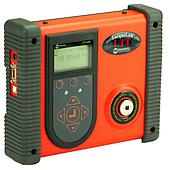
Consequently, many electronics manufacturing plants implement periodic resistance testing using surface resistance meters to monitor the condition of individual materials. These measurements indicate whether the resistance remains within the design specifications or has shifted into the insulating range, providing a basis for quality assessment and timely replacement.
For a specific assessment of anti-static mats, you may wish to consult the article "How to Check if an ESD Mat Is Still Usable," which details the procedures for measuring surface resistance and resistance-to-ground in accordance with ESD standards.