The higher the ion concentration, the greater the electrical conductivity, which in turn increases the EC value. Therefore, EC is used as an indirect indicator of total dissolved solids (TDS), helping to identify the condition of the water source before conducting more detailed analyses.
EC in water quality control
EC provides quantitative data on the level of ion presence in a solution. This index allows for monitoring variations in water quality over time or between different areas within the same system.
In operation, EC is used to:
- Detect abnormal changes in water composition and assess the level of salt and mineral accumulation.
- Provide a basis for selecting additional measurements such as pH, heavy metals, or hardness.
Prepare samples and equipment before measurement
The stability of the results depends on the sample conditions and the state of the equipment. Water samples should be contained in clean plastic cups to minimize interference from conductive materials.
Before measurement, the equipment should be checked and calibrated using standard solutions as recommended by the manufacturer. The electrodes must be clean and free of impurities.
During the measurement process:
- Immerse the probe so that the sensor is completely covered.
- Gently shake to remove any air bubbles on the surface.
- Record the result when the displayed value stabilizes.
The effect of temperature on the results of measuring the electrical conductivity of water

Temperature directly affects the movement of ions in solution, thereby changing the EC value. As temperature increases, conductivity increases; as temperature decreases, EC decreases.
Many devices incorporate automatic temperature compensation (ATC) mechanisms to bring results back to standard conditions. For devices without this function, the sample temperature must be determined and adjustments made according to the technical instructions.
Another definition is electrode. The electrode is the component that comes into direct contact with the sample and directly affects the sensitivity of the measurement. After each use, it should be rinsed with distilled water to remove any impurities adhering to the surface.
Minimize mechanical contact with the sensing area to maintain surface properties. Impurities that accumulate over time can cause inaccurate results if not regularly cleaned.
EC measuring devices should be stored in a dry, stable environment and protected from corrosive agents. Using the correct accessories and following the technical instructions will help maintain the device's operational status.
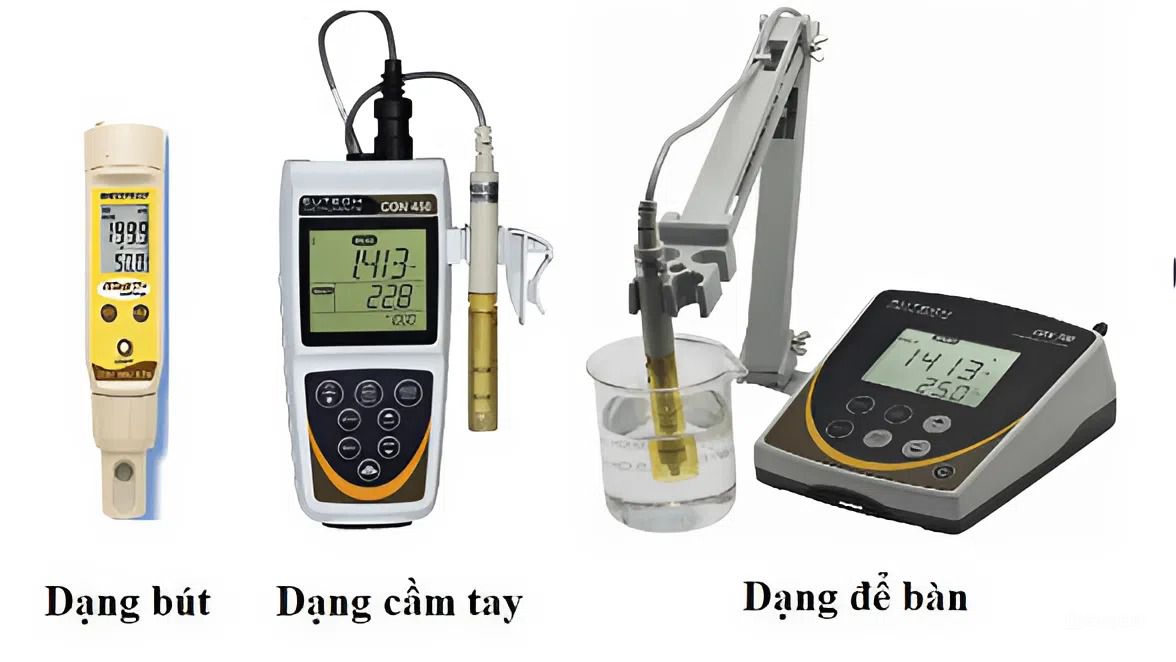
Related topics:
Does water conduct electricity? Q&A with experts at EMIN
Why is EC conductivity meter calibration necessary?
What is the safe temperature for electrical wires?
Measuring EC conductivity and common errors
Limits of conductivity index in water analysis
EC does not provide information about the specific nature of dissolved substances. Solutions with the same EC value may contain different chemical compositions.
Therefore, this index needs to be used in conjunction with other analytical methods to provide a more complete assessment of water quality.