
06/08/y 09:00:13
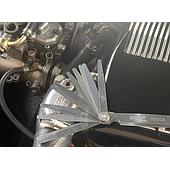
A smaller clearance is often associated with higher precision. However, in mechanical engineering, reducing clearance does not necessarily make a mechanism operate more accurately.
A smaller clearance is often associated with higher precision. However, in mechanical engineering, reducing clearance does not necessarily make a mechanism operate more accurately.
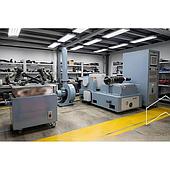
During the operation of industrial machinery or the transportation of goods, persistent mechanical vibrations inevitably occur; these are a primary cause of material fatigue, loosened connections, and cracking in printed circuit boards (PCBs). To ensure product integrity before delivery to customers, R&D and QA/QC engineers must simulate these dynamic forces using vibration test systems.

Many projects encounter a situation where a freshly applied coating looks perfectly uniform and paint consumption matches the estimate, yet additional coating is required during inspection because the thickness is insufficient. This leads many to suspect measurement errors or equipment inaccuracy, whereas the actual cause is a confusion between WFT (Wet Film Thickness) and DFT (Dry Film Thickness)

Many used car buyers often spend a considerable amount of time examining the paintwork, the gaps between body panels, or the overall condition of the exterior. However, these signs can be skillfully masked following repairs; precise color matching and careful polishing can make the vehicle appear almost factory-original.
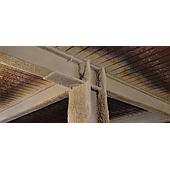
A fire-retardant coating only provides effective protection when applied to the specified design thickness. A shortfall of even a few hundred microns can significantly reduce fire resistance, whereas an excessively thick coating is prone to cracking and peeling, in addition to increasing material costs
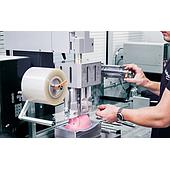
Water resistance is a common requirement for a wide range of modern products, spanning industrial sensors, outdoor LED lights, medical devices, and water filter cartridges to electronic components and automotive parts. When exploring manufacturing technologies, many businesses often ask the same question: can ultrasonic welding truly create a watertight seal?

A satisfactory ultrasonic weld must form a uniform bond across the entire contact surface. The presence of gaps, edge separation, or partial adhesion significantly compromises airtightness, watertightness, and mechanical strength. This is a common issue in the manufacturing of plastics, electronic components, packaging, and medical devices, particularly following a product changeover or an adjustment of welding parameters on the production line.
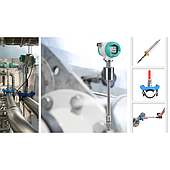
CS Instruments has introduced the upgraded version of the VD 550 compressed air flow meter with a ¾” threaded connection, designed for measurement applications in high-humidity compressed air environments and demanding operating conditions.
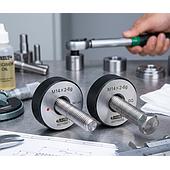
Flip through detailed drawings or standard bolt documentation, and the designation 6H/6g appears very frequently. The external thread is machined slightly smaller than the nominal size, while the internal thread maintains its correct tolerance range.
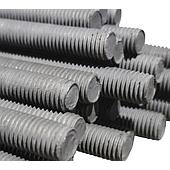
What are the differences between coarse and fine threads? Learn about their characteristics, load-bearing capacity, vibration resistance, practical applications, and how to choose the right type of thread in mechanical engineering, machine manufacturing, and industrial production.
ຮັບສ່ວນຫຼຸດພິເສດຕາມປະລິມານ, ອັບເດດລາຄາຂາຍສົ່ງ ແລະ ການແຈ້ງເຕືອນສິນຄ້າໃໝ່ສົ່ງກົງເຖິງອິນບັອກຂອງທ່ານ.
ໂດຍການສະໝັກສະມາຊິກ, ທ່ານຍອມຮັບ ເງື່ອນໄຂການໃຫ້ບໍລິການ ແລະ ນະໂຍບາຍຄວາມເປັນສ່ວນຕົວ ຂອງພວກເຮົາ.
ເຂົ້າເຖິງຜູ້ຊ່ຽວຊານທີ່ໄດ້ຮັບການຢັ້ງຢືນຂອງພວກເຮົາໂດຍກົງ