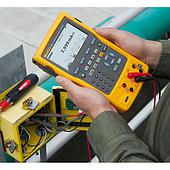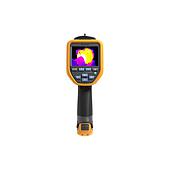
A cooler box that feels cold on the outside does not guarantee uniform thermal preservation inside. Similarly, campfire embers that appear extinguished can still harbor hidden thermal hotspots beneath ash layers. Thermal imaging cameras allow operators to visualize these subtle thermal anomalies rapidly, pin-pointing locations that warrant targeted inspection.
Evaluating Thermal Distribution Inside Coolers via Surface Thermography
Transporting perishable goods or beverages involves a critical operational question: even if ice remains present, is internal temperature distributed uniformly throughout the container?
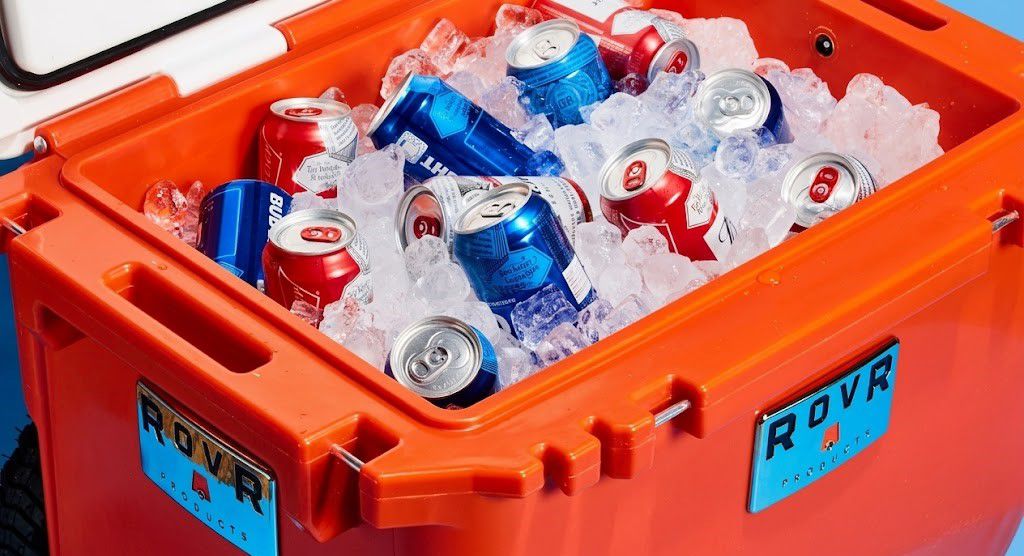
A thermal camera captures surface temperatures of the exterior walls, lid, and directly exposed internal surfaces. A localized high-temperature zone indicates thermal bridging, uneven ice melt, or compromised sealing gaskets.
Crucially, infrared thermal imagers cannot penetrate solid enclosures or structural walls. Radiometric readings represent infrared radiation emitted from the outer surface, not core internal temperatures of items submerged beneath ice layers.
For accurate internal core measurements, contact temperature probes remain indispensable. Thermal cameras excel at wide-area screening and thermal anomaly detection, eliminating time-consuming manual point-by-point inspection.
Assessing Refrigerated Products with Thermal Imaging
While thermal cameras can inspect cold storage packages, radiometric accuracy depends heavily on target surface emissivity, reflectivity, ambient lighting, and measurement distance.
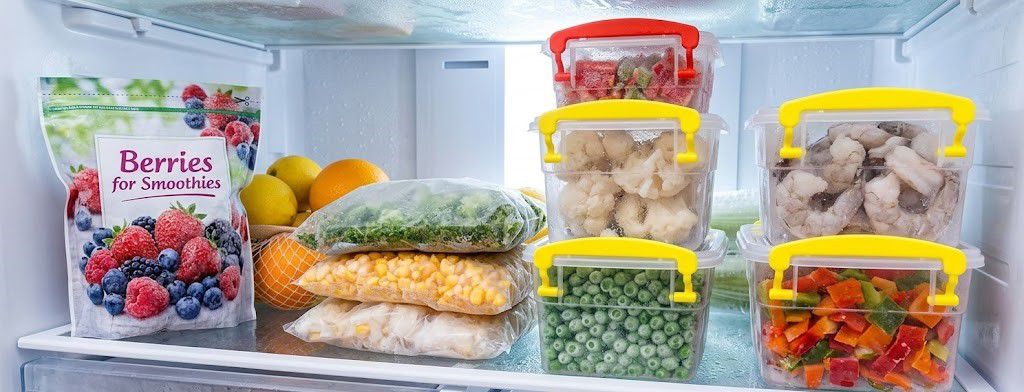
Two adjacent food containers may exhibit completely different thermal signatures due to surface finish disparities, despite sharing identical core temperatures. Containers displaying significantly warmer surface signatures should be verified using a calibrated contact thermometer rather than relying solely on radiometric visual data.
The most effective inspection workflow combines rapid wide-area thermal scanning for anomaly identification with contact probes for spot measurement verification. These instruments function as complementary tools rather than mutually exclusive substitutes.
Detecting Residual Heat in Extinguished Fires
Detecting residual thermal signatures in smoldering coals represents a primary technical advantage of infrared thermography.
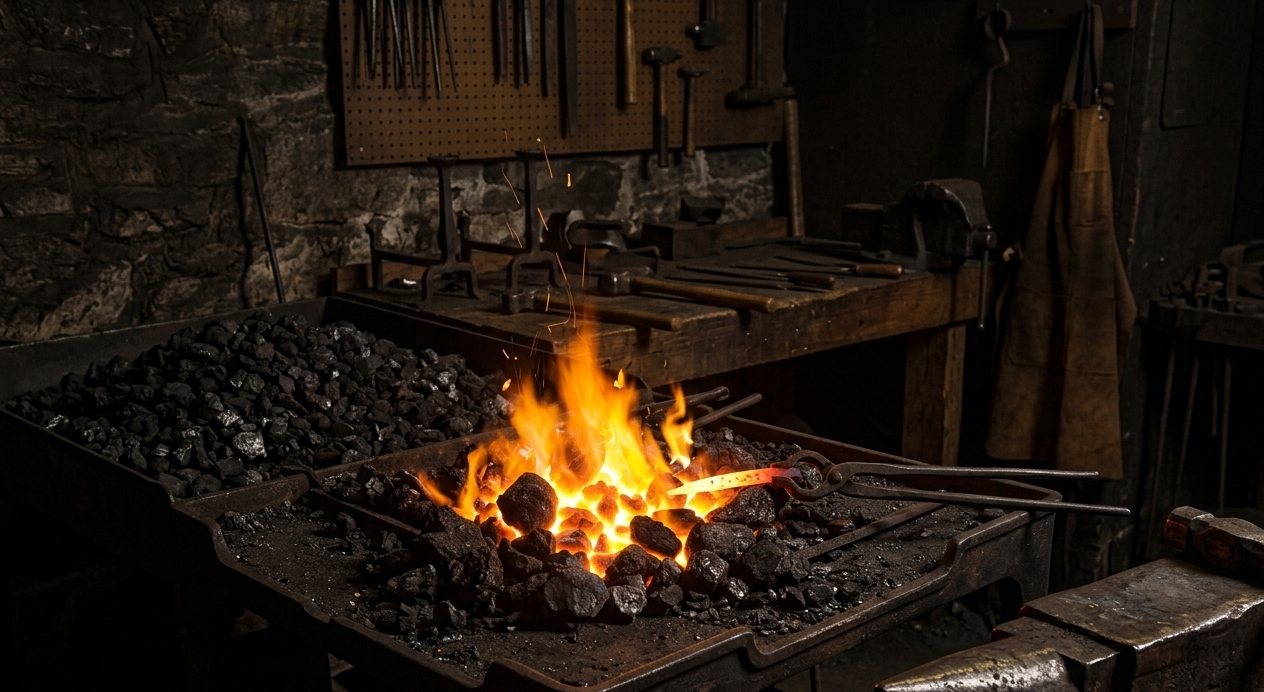
Once visible flames subside, embers may appear completely inert to the naked eye. However, high-temperature zones frequently remain insulated under surface ash. Under a thermal camera, these hidden embers produce prominent high-intensity thermal signatures that visual inspection cannot detect under ambient daylight.
Importantly, infrared detectors reveal thermal gradients long before materials reach visible incandescence. Visualizing concealed heat sources prevents premature site departures and reduces fire resurgence risks.
Radiometric Measurement Limits: Open Flames vs. Solid Fuel
Thermal imagers can record surface temperatures within their calibrated operating range, but flame thermography involves specific physical measurement constraints.
Open flames exhibit continuous dynamic movement, fluctuating atmospheric transmission, and variable emissivity compared to opaque solid targets. Smoke interference and ambient reflections introduce measurement offset. Consequently, displayed radiometric values should be interpreted as localized apparent temperature points rather than absolute flame temperatures.
Conversely, thermal imaging delivers highly accurate and repeatable readings when evaluating solid glowing coals, wood fuel, or heated metal surfaces. Radiometric palettes clearly delineate peak temperature zones, cooling gradients, and lingering thermal risks.
Additional Reading:
Applications of Thermal Cameras in Firefighting, Search and Rescue (SAR) Operations
Advanced Hotspot Detection Capabilities Driven by Next-Gen FLIR Thermal Imaging Technologies
Practical Thermal Camera Applications for Field Operations and Camping
While not mandatory equipment, thermal cameras provide distinct utility across several field maintenance scenarios:
+ Cooler Enclosure Inspections: Scan exterior housing to identify thermal leaks, insulation breakdown, or damaged seals.
+ Portable Stove Audits: Evaluate heat dissipation patterns around burners, handles, and structural supports to prevent accidental burn hazards.
+ Smoldering Ember Detection: Identify subterranean hot spots and lingering embers prior to site breakdown.
+ Surrounding Area Thermal Safety: Detect thermal radiation transferred to nearby combustible materials.
+ Outdoor Hardware Diagnostics: Perform non-contact thermographic checks on portable generators, battery banks, and charging electronics under load.
Across all use cases, infrared inspection converts invisible temperature differentials into actionable radiometric visual data.
Thermal Imagers vs. Contact Thermometers: Choosing the Right Instrument
Distinguishing between non-contact thermography and contact thermometry is critical for food safety, fire management, and equipment diagnostics.
Thermal imagers excel at non-contact wide-area scanning, pattern analysis, and fast thermal gradient detection. Contact probes provide precise core temperature measurements at specific points, particularly inside insulated packaging or solid materials opaque to IR radiation.
Optimal diagnostic workflows combine both technologies: utilize thermography for initial screening, followed by targeted probe measurement for quantitative validation. Technical selection parameters—such as spectral range, thermal sensitivity (NETD), spatial resolution (IFOV), measurement range, and data logging capabilities—determine instrument suitability for specific industrial or field applications.
Frequently Asked Questions (FAQ)
Can thermal cameras provide absolute accuracy down to individual degree increments? When targets possess known surface emissivity and are measured under stable environmental conditions, radiometric accuracy is highly reliable for comparative inspection. For critical compliance decisions, radiometric results should be verified using calibrated contact probes.
Why do radiometric temperature readings vary between consecutive scans of the same object? Variations in target emissivity, viewing angle, distance, surface reflection, and ambient atmospheric conditions affect radiometric calculations. Maintaining identical inspection geometry ensures measurement repeatability.
Can thermal cameras operate effectively in rain or high fog conditions? Atmospheric water vapor and fog scatter infrared radiation, attenuating thermal signals and degrading spatial image clarity compared to dry conditions. High-humidity outdoor measurements require appropriate distance adjustment and environmental corrections.
Are high-end professional thermal cameras necessary for general outdoor inspections? No. General field audits and basic spot-checking primarily require thermal pattern recognition, which entry-level handheld thermal imagers handle effectively. High-resolution, wide-temperature-range units are designed for predictive electrical maintenance, industrial thermography, and advanced building diagnostics.
By operating on fundamental infrared radiation physics, thermal cameras translate invisible temperature variations across electrical panels, smoldering embers, or heating elements into readable radiometric imagery. Selecting an instrument based on required thermal sensitivity, detector resolution, and measurement range prevents under-specifying hardware or over-investing in unnecessary features. Explore the versatile lineup of FLIR Handheld Thermal Imaging Cameras tailored for professional and field applications.