Material thickness gauges are extremely common in shipbuilding, construction, and machinery manufacturing industries. To ensure the gauge runs smoothly and displays accurate readings, users should understand a few basic tips. Let's explore with EMIN how to use and maintain the gauge to maximize its lifespan.
Why is it important to use the correct type of material thickness gauge?
For the past few years, material thickness gauges have been widely used by engineers due to their convenience. From inspecting paint layers to measuring metal thickness, all you need to do is apply the probe; no destructive testing is required. The device works by emitting ultrasonic waves through the material and then measuring the time it takes for the waves to reflect back.
Using it correctly offers clear advantages. Firstly, the displayed data doesn't fluctuate wildly. You need to know how to select the correct measurement mode for each type of material so the device can understand and calculate accurately.
Secondly, proper use helps protect the probe, the most expensive part of the machine. If the probe doesn't wear out and the sensor isn't misaligned, the machine will remain sensitive for longer. This method saves both time and money on repairs compared to the old manual measurement methods.
Steps for using a material thickness gauge
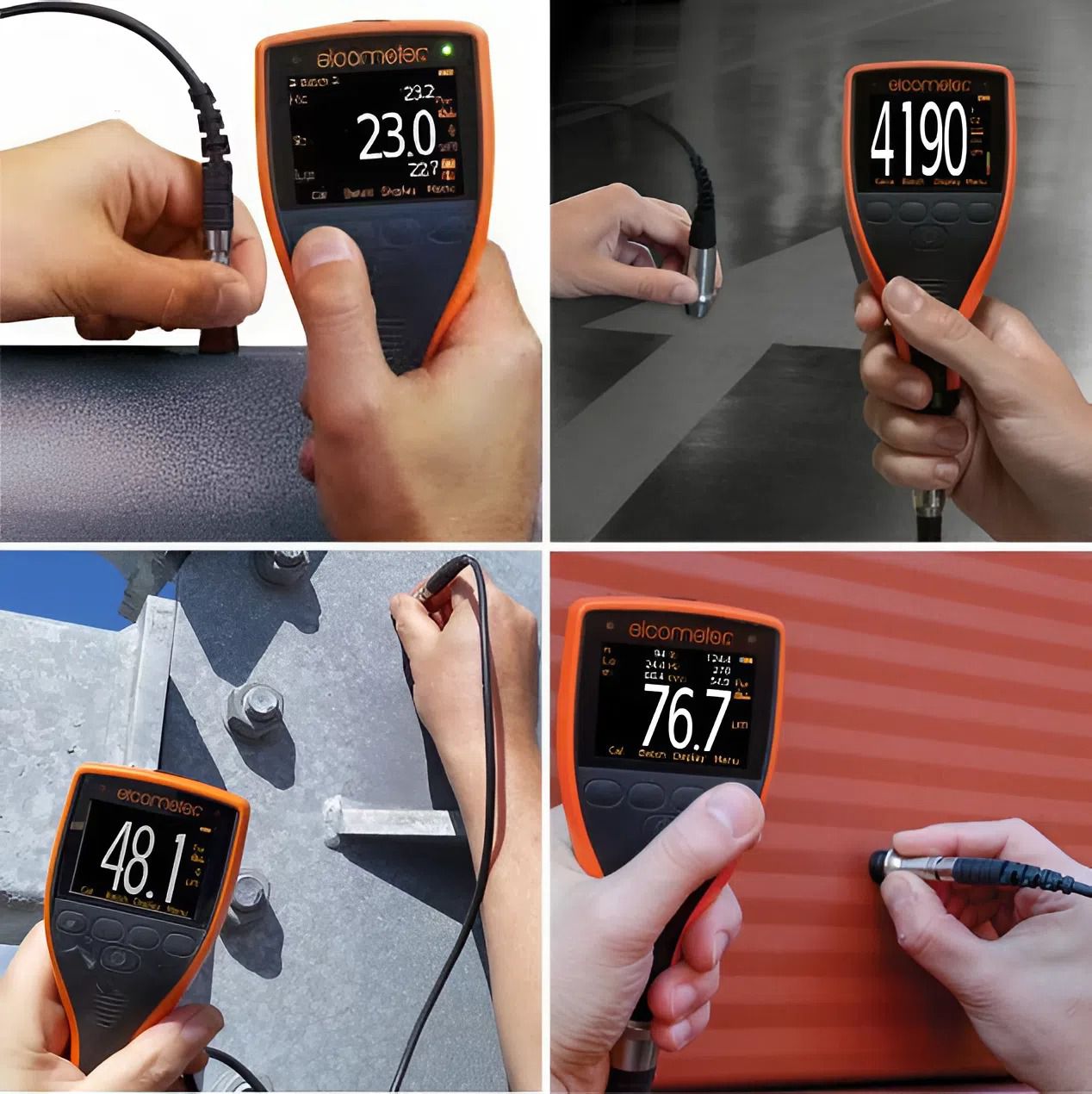
Using these machines is quite simple. With mechanical machines, you just clamp the item onto the base, lower the clamp securely, and look at the dial. For electronic models like Elcometer or Kett, please note the following steps:
Step 1: Select the correct probe for the material to be measured. High-frequency probes allow for fast and continuous measurements, which is great.
Step 2: Calibrate the machine. If the machine is already calibrated, just use it as is.
Step 3: Turn on the power, wait for the screen to return to zero, and you're ready to go.
Step 4: Select the material type from the catalog. High-quality machines from Japan or the UK at EMIN usually automatically identify the material, so you don't need to select it manually.
Step 5: Apply the probe to the material surface and press the measurement button.
Step 6: Wait for the number to appear on the screen and record it. To save the result for later review, press the "Hold" button.
Step 7: When finished, turn off the device and store the battery carefully if you plan to keep it unused for a long time.
Note: You should measure 2-3 times in the same spot to get the most stable reading. Each type of material requires a different type of probe; choosing the right one is essential for the device to function properly.
Additionally, you can refer to the Top 3 most accurate Elcometer paint thickness gauges of 2026.
Tips for keeping your material thickness gauge working properly even after prolonged use
To ensure your machine lasts a long time, especially in dusty mechanical environments, pay attention to the following points:
- Be mindful of the working environment; avoid bumping or dropping the machine, as this can damage the circuitry and cause problems.
- Store the machine in a dry place, away from damp areas or hot liquids.
- Machines usually come with a case or carrying bag; when going to a construction site, just put it in there for security and to prevent shaking.
- Extremely important: If you plan not to use the device for a whole week, remember to remove the battery. A leaking battery can damage the contact spring between the battery and the internal circuitry, making repairs very difficult.
Hopefully, these tips will help you use your thickness gauge most effectively. EMIN always has a wide range of gauges from Elcometer, Kett, Insize, etc., in stock, along with dedicated technical support to help you work with peace of mind.