When selecting a calibrator, the instrument under test must be matched with the calibrator's output capabilities, measurement ranges, polarity, and connection methods. Features such as automatic step output, automatic sweep, and data storage can help reduce operating time when performing repetitive testing tasks.
Summary: Electrical power calibrators are designed to test a wide range of electrical measuring instruments. They can generate signals such as voltage, current, phase, and power. Correct polarity, appropriate measurement ranges, and regular maintenance are essential for maintaining measurement accuracy.
Which Instruments Can an Electrical Power Calibrator Test?
Electrical power calibrators can be used with a wide range of indicating and measuring instruments, including DC/AC ammeters, voltmeters, phase meters, frequency meters, power meters, power factor meters, multimeters, energy meters, and electrical sensors. The actual scope of application should be verified against the capabilities of each calibrator.
| Instrument Category | Relevant Electrical Quantities |
|---|---|
| DC/AC ammeters and voltmeters | Current, voltage |
| Single-phase or three-phase power meters | Active power, reactive power |
| Phase meters, power factor meters, frequency meters | Phase angle, power factor, frequency |
| Multimeters, energy meters, and sensors | Corresponding electrical parameters |
| Synchroscopes | Parameters required for synchronization testing |
Which Electrical Quantities Can an Electrical Power Calibrator Generate and Measure?
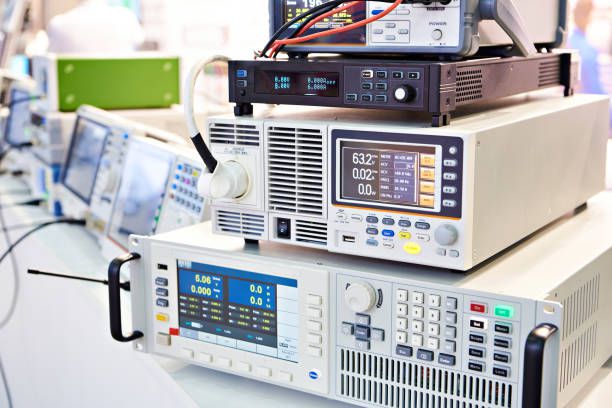
According to the available specifications, Kingsine power calibrators can generate reference voltage, current, phase, active power, cross-phase reactive power, and true reactive power. Their multi-parameter measurement and output capabilities allow them to support various testing requirements in electrical metrology.
Some of the specified operating functions include automatic step output and automatic sweep output. These functions can be used for rapid linearity testing, eliminating the need to manually configure each test point.
What Does the DC/AC 0.05% Specification Mean When Evaluating an Instrument?
Kingsine's specifications state an accuracy level of DC/AC 0.05% in the context of calibrating analog and digital instruments, including direct voltage/current (U/I) meters and frequency meters. This specification should be interpreted in conjunction with the measurement type, output quantity, and requirements of the instrument under test.
Note: A single specification should not be used as the sole basis for determining suitability for every application. Compatibility between the calibrator, the instrument under calibration, and the applicable measurement parameters must be verified.
When Should You Prioritize a Calibrator with Data Storage and Transmission Functions?
These functions should be prioritized when a more convenient test setup or data exchange is required during testing. According to the available specifications, the storage function helps manage settings, while data transmission supports communication during testing procedures.
For repetitive testing tasks, combining stored settings with automatic step or sweep output can help standardize operations. However, the specific operating procedures should follow the configuration and instructions of the instrument being used.
What Should Be Checked Before Connecting an Electrical Power Calibrator?
Before operation, the calibrator must be configured and adjusted according to the type and specifications of the instrument under test. Three key factors requiring particular attention are polarity, measurement range, and connection method, as these directly affect measurement accuracy.
- Identify the instrument or electrical quantity to be calibrated.
- Check the measurement range of the instrument under test against the output settings.
- Verify polarity and the wiring diagram before applying any signals.
- Perform only operations appropriate for the actual working conditions, whether on-site or in mobile applications.
What Does Electrical Power Calibrator Maintenance Involve?
Routine maintenance includes cleaning, calibration, cable inspection, and checking connection interfaces. These procedures are intended to extend the instrument's service life and help maintain measurement accuracy.
Cable and interface inspections are particularly important before each measurement session because connections are an integral part of the calibration process. If any abnormalities are detected, they should be addressed in accordance with the appropriate technical procedures rather than continuing operation with uncertain settings.
Which Applications Are Kingsine Power Calibrators Suitable For?
According to the available information, Kingsine power calibrators are designed for calibrating analog and digital electrical measuring instruments, quality inspection, measuring instrument maintenance, and component testing. The specified applications include voltmeters, ammeters, power meters, phase meters, power factor meters, frequency meters, and synchroscopes.
This product range is also described as featuring internal and external protection functions designed to help prevent damage caused by unexpected faults. This is an important factor to consider when calibration work is performed in the field or when the instrument needs to be transported between locations.
```