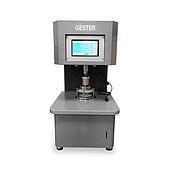
Textile color fastness tester evaluates how well a fabric’s color resists changes during processing and normal use. Colored textiles can be affected by washing, dry cleaning, rubbing, light exposure, perspiration, water, bleaching agents, and heat during pressing. Testing helps quality teams understand whether a fabric may fade, change shade, or transfer color to adjacent materials under defined conditions.
Results are commonly assessed by observing two effects: the color change of the test specimen and staining on an undyed lining fabric or white rubbing cloth. Gray scales are used to grade these visible changes in the methods described. The appropriate test program should reflect the textile’s intended use, finishing process, and applicable customer or test-method requirements.
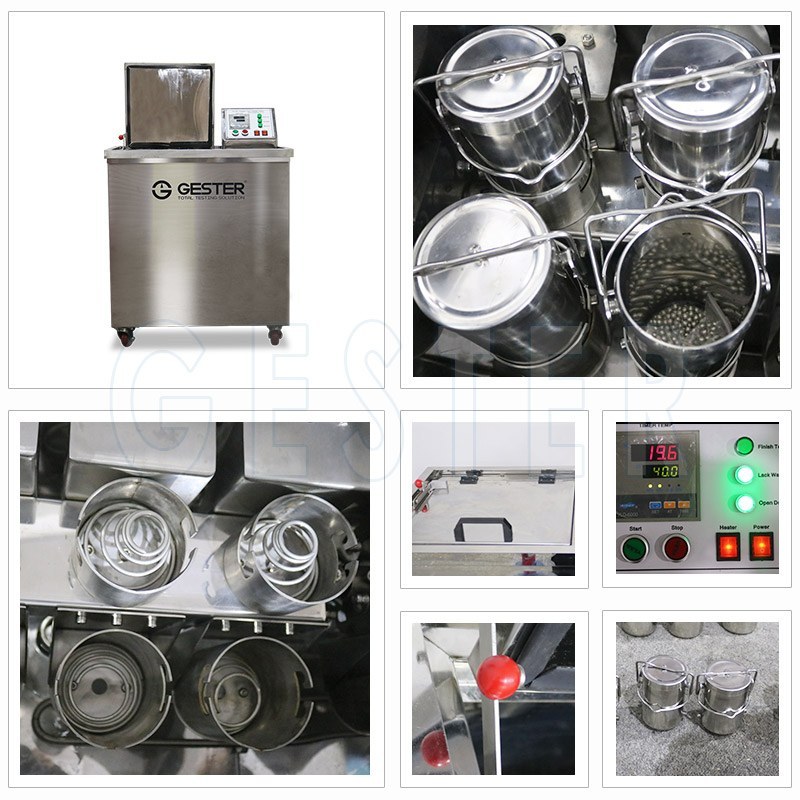
Main Textile Color Fastness Tests
Color Fastness to Washing
Washing fastness assesses how the specimen performs during a controlled wash process. The sample is sewn to a standard lining fabric, then washed, rinsed, and dried under selected conditions that can involve temperature, alkalinity, bleaching, and mechanical action. After the procedure, evaluators check both color loss on the specimen and staining on the lining fabric. For washing fastness work, the source identifies the GT-D07.
Color Fastness to Dry Cleaning
Dry-cleaning fastness follows a similar evaluation principle to washing fastness, but the washing process is replaced with a dry-cleaning treatment. This test is relevant where a textile is expected to undergo dry cleaning. The Dry Cleaning And Washing Cylinder GT-C36 is identified for this application.
Color Fastness to Rubbing
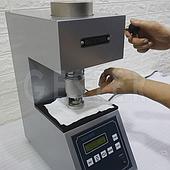
Rubbing fastness measures color transfer when a textile surface is rubbed with a standard white cloth under a defined pressure and number of strokes. Both dry and wet rubbing are considered, and all colors present on the specimen should be evaluated. The staining on the white cloth is graded with a gray card. The Electronic Crockmeter GT-D04 is listed for rubbing fastness testing.
Light Fastness
Exposure to light can cause dyes to fade or change color. In a light fastness test, the specimen is exposed under specified conditions alongside blue wool reference materials of different fastness grades. The specimen is compared with the reference materials to determine its resistance to light-induced color change. The Air-Cooled Light Fastness Tester GT-D02A-1 is identified for this test.
Color Fastness to Perspiration
Perspiration fastness examines the effect of a sweat solution on a textile and its potential to stain a lining fabric. A specimen is sewn with the lining material, treated in the perspiration solution, placed under pressure in the test device, conditioned at a constant temperature, and then dried before grading. Solution ratios, specimen dimensions, temperatures, and treatment times may differ by method. The Perspiration Tester GT-D09 is listed for this application.
Additional Tests for Specific Exposure Conditions
Water, Bleaching, and Saliva Fastness
Water fastness uses water-treated specimens and evaluates color change and staining after the prescribed treatment. Chlorine bleaching fastness assesses the degree of color change after washing the textile in a chlorine bleaching solution under defined conditions. Non-chlorine bleaching fastness similarly evaluates color change after a wash treatment using non-chlorine bleaching conditions.
Color fastness to saliva is intended for situations where contact with saliva is relevant. The sample is attached to the specified lining fabric, treated with artificial saliva, placed under prescribed pressure, and dried. The specimen and lining fabric are then evaluated separately for discoloration and staining.
Color Fastness to Pressing
Pressing fastness considers the impact of heat and pressure during ironing or related finishing operations. A dry specimen is covered with a cotton lining fabric and pressed for a defined period at specified temperature and pressure. Evaluation addresses color change in the specimen and staining of the lining. Depending on the required method, the assessment may include dry pressing, wet pressing, or wet-on-wet pressing conditions.
Building a Practical Test Plan
A material color fastness tester starts with the product’s expected exposures. Apparel intended for frequent laundering may require washing and rubbing evaluations, while products used outdoors may need light fastness assessment. Articles likely to contact skin can require perspiration testing, and care instructions may make dry-cleaning or bleaching evaluations relevant.
Test conditions should be selected carefully rather than assumed. The source notes that methods can differ in solution ratios, sample size, temperature, time, and other conditions. Recording the selected method, specimen preparation, lining material, exposure conditions, and grading observations supports consistent internal quality control and clearer comparison between samples.
By combining appropriate exposure tests with consistent visual grading, manufacturers and laboratories can identify potential fading and color-transfer concerns before materials move further through production or are released for use.