1. Range of application
This technical document specifies a calibration procedure for scale (non-automatic scales class I) with a division value not greater than 1 mg. Technical scale is (non-automatic scale class II) according to OIML R76.
2. Calibrating techniques
- Outside check
- Technical check
- Measurement check
3. Calibrating instruments
3.1 Standard measuring instrument (s)
- Analytical Balance:
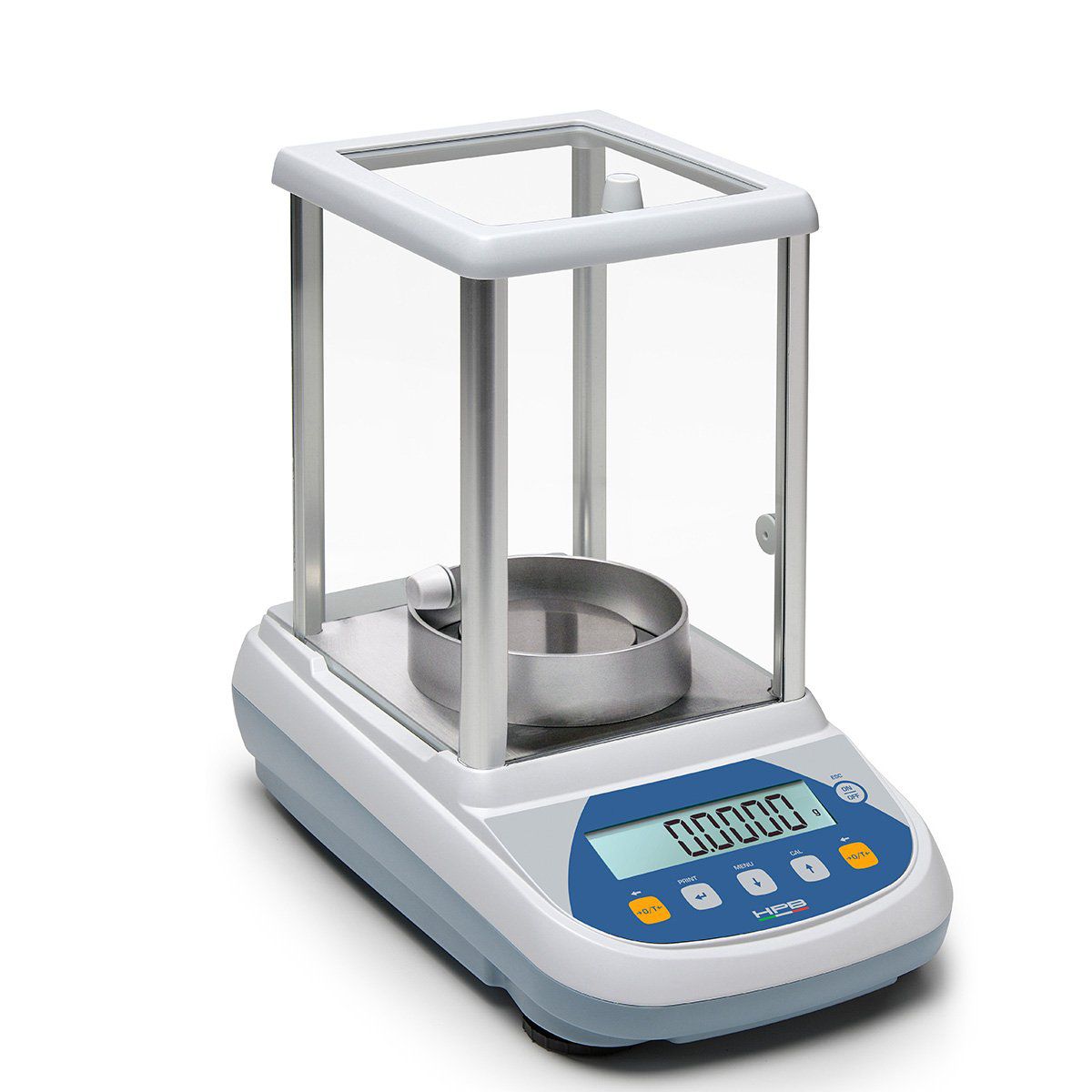
Sets of weights E2, Class E2, Measuring range: 1 mg ÷ 500g
Sets of weights F1, Class F1, Measuring range: 1g ÷ 500g
- Technical Scale:
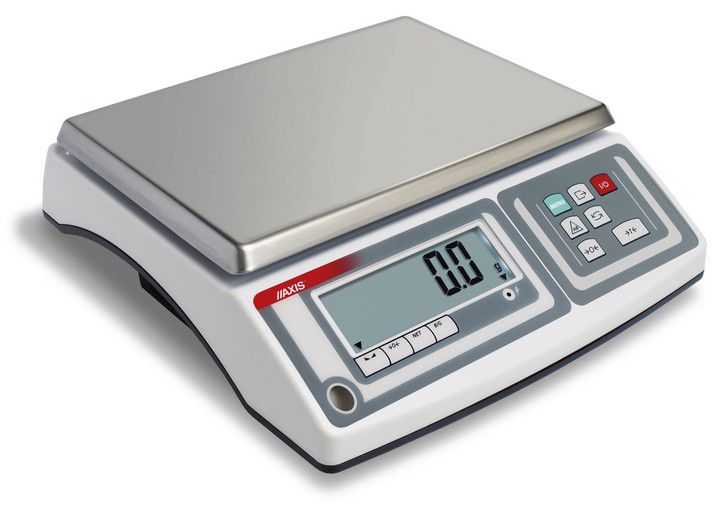
Sets of weights F1, Class F1, Measuring range 1g ÷ 500g
Standard Weight F1, Class F1, Measurement weight: 1 kg, 2 kg, 5 kg, 10 kg.
- Bench Scale:
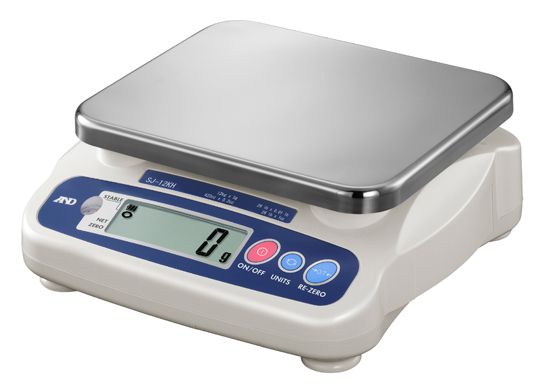
Standard Weight M11, Class M1, Measuring range 0 ÷ 150kg
3.2 Auxiliary Instrument(s)
Hygro - Thermometer:
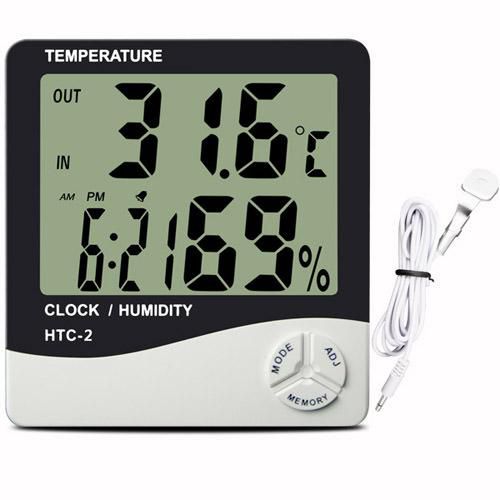
- Range of Measurement: (0 ÷ 50) °C
- Accuracy: ± 0,5 °C
- Range of Measurement: (10 ÷ 95) %RH
- Accuracy: ± 3 %RH
4. Conditions for Calibration
The calibration site must be bright, away from heat sources, wind sources, and not vibrated.
Temperature, humidity in the calibration site ensures:
Ambient temperature: (22 ± 3) ° C
Air humidity: (40 ÷ 80) %RH.
The scale should be calibrated at the site of use.
5. Prepare for Calibration
Before calibration, the following preparations must be done:
- The scale must be clean.
- Place the scale to be calibrated firmly on a surface and adjust the scale.
- Turn on the scale for at least 30 minutes or as required by the manufacturer.
- The scale to be calibrated should be thermally equilibrium with the environment in which it is calibrated. The minimum time required for this process is specified by the manufacturer.
6. Begin the calibration
6.1 Outside check
6.2 Technical Check
6.3 Measurement check
6.3.1 General requirements
6.3.2 Begin the calibration
- Test repeatability
- Check the deviation angle
- Check the correctness
7. Measurement Uncertainty Evaluation
7. Measurement Uncertainty Evaluation
8. General handling
- The calibrated scale is stamped, certified in paper.
- The calibration result includes standard value, indicator value, main number, together with the measurement uncertainty expanded for each weight level, coverage factor k.
- The recommended calibration cycle of scale is 12 months.
9. About EMIN's Calibration - Verification - Repair center
EMIN Vietnam’s Calibration and Verification center has been established since 2020 to provide after-sales services. The Calibration and Verification center is thoroughly equipped with technical equipment, followed by the assistance from various equipment manufacturers around the globe. At the center, calibration of specialized equipment is successfully carried out by experienced engineers in EMIN Vietnam, ensuring fast, accurate, reliable procedure to meet the most demanding customers’ requirements). Such technical capacity can only be performed by very few technology businesses in Vietnam. Meanwhile, after tireless effort, the Calibration and Verification center of EMIN Vietnam is officially certified to be accredited by the ISO 17025 standard (Jan, 2021)
If you want your instruments calibrated, please contact:
Equipment Verification - Calibration - Repair Service Center - EMIN Vietnam JSC
Address: No 203 Nguyen Ngoc Vu Street, Trung Hoa Ward, Cau Giay District, Ha Noi City
Email: services@emin.vn - Hotline: 0968.060.220
Further information about scale calibration service can be found here.