Controlling NH3 and H2S Gases in Building Waste Rooms: Which Sensors to Use, Where to Place Them, and What Thresholds to Set?
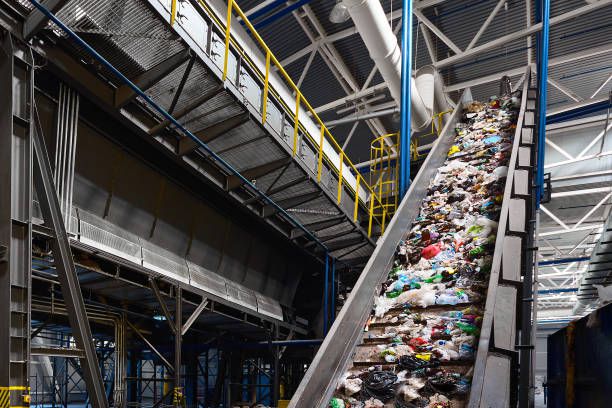
Trash basements in high-rise buildings are enclosed spaces where organic matter continuously decomposes, producing ammonia (NH3), hydrogen sulfide (H2S), methane, and various odorous compounds. These gases directly threaten sanitation workers' health, migrate into central HVAC systems, and corrode electrical panels, piping, and technical equipment. This guide addresses critical questions raised by facility managers, M&E engineers, and occupational safety officers.
How Dangerous Are NH3 and H2S Gases in Waste Rooms, and Why Can't Olfactory Sense Be Relied Upon?
NH3 originates from the breakdown of proteins and urea in food waste and leachate. It severely irritates the eyes, nose, and throat, with elevated concentrations causing respiratory mucous membrane burns. H2S forms at the bottom of pits where stagnant leachate accumulates under anaerobic conditions. The toxicity level of H2S far exceeds that of NH3.
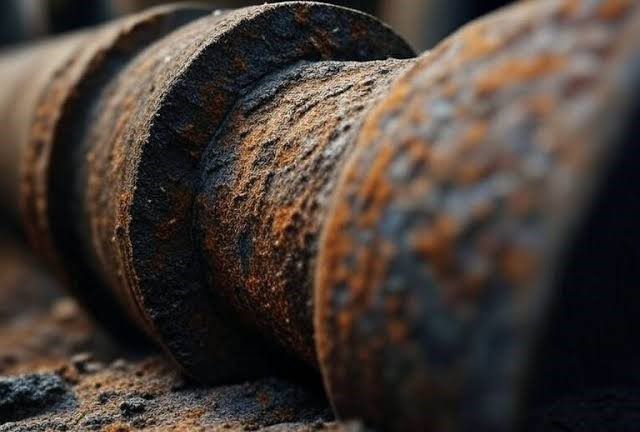
High humidity combined with H2S also corrodes electrical contacts, copper, and silver components, significantly shortening the operational lifespan of technical equipment installed near waste rooms.
Are Electrochemical, Metal-Oxide Semiconductor (MOS), or Optical Sensors Suitable for Waste Room Environments?
Waste rooms feature high humidity, particulate matter, and evaporated cleaning solvents; thus, each sensor technology fulfills a specific operational role.
- Electrochemical Sensors: Induce oxidation-reduction reactions as gas diffuses through a porous membrane into the electrolyte, generating a current proportional to concentration. Delivering high accuracy at low ppm ranges, rapid response, and low power consumption, these are the primary choice for fixed continuous monitoring systems. They have a finite lifespan (typically ~2 years) and require periodic span-gas calibration per manufacturer guidelines.
- Metal-Oxide Semiconductor (MOS) Sensors: Measure resistance changes across a semiconductor film. Featuring long operating lifespans, excellent moisture tolerance, and low cost, they suffer from cross-sensitivity to alcohol vapors and cleaning chemicals. MOS sensors are suitable for preliminary odor screening but should not serve as the sole trigger for safety interlocks.
- Optical Sensors (PID, NDIR): Utilize ultraviolet or infrared light to ionize or measure optical absorption of gas molecules. This technology is predominantly incorporated into high-precision portable gas detectors used for verification and data cross-checking.
At What Heights Should NH3 and H2S Detectors Be Installed?
Installation height dictates whether gas leaks are detected promptly before hazardous dispersion occurs.
NH3 (Ammonia) - Relative Density ~0.59
Lighter than ambient air, NH3 naturally ascends toward ceiling structures. Installation Height: Position detectors high, 30 cm to 50 cm below the ceiling.

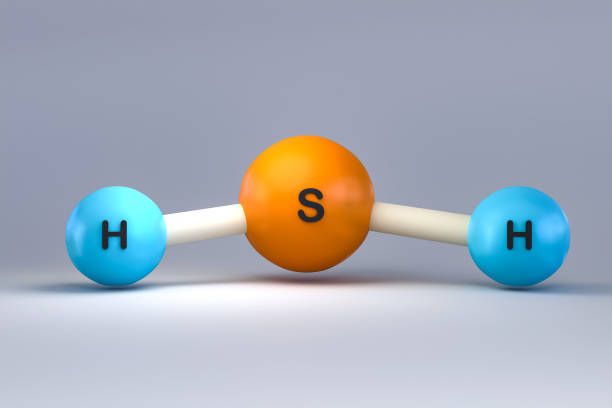
H2S (Hydrogen Sulfide) - Relative Density ~1.19
Heavier than ambient air, H2S sinks and accumulates in low-lying areas. Installation Height: Position detectors 30 cm to 50 cm above the floor near leachate collection sumps.
Exhaust ventilation, thermal gradients, and warm moisture from decomposing waste induce turbulent gas mixing, overriding theoretical density stratification. Consequently, robust M&E designs place supplementary detectors at the breathing zone (1.2 m to 1.5 m) near entrance doorways to protect entering personnel. Avoid mounting detectors directly adjacent to exhaust grilles or frequently opened doors where forced air currents distort measurement accuracy.
What Logic Governs Automated Safety Interlock Systems?
Gas detectors transmit real-time signals to a central control panel stationed in the engineering duty room or outside the waste room entrance, enabling personnel to verify safety levels before entering. Systems should implement a two-stage alarm logic:
Automatically triggers boosted exhaust ventilation fans and activates deodorizing misting stations to purge air.
Triggers external strobes and sirens, dispatches BMS alerts, and restricts room access until gas levels return to safe baselines.
Control panels must feature built-in fault diagnostics for sensor failure, signal loss, and expired calibration cycles to prevent silent system failures.
What Alarm Threshold Settings Comply with Safety Regulations for NH3 and H2S?
Reference parameters for NH3: Odor perception threshold ~5 ppm, 8-hour TWA threshold at 25 ppm (17 mg/m³), short-term STEL threshold at 35 ppm (mucous membrane irritation limit).
Reference parameters for H2S: Odor perception threshold ~0.1 ppm, 8-hour TWA threshold at 10 ppm (14 mg/m³), short-term STEL threshold at 15 ppm (respiratory hazard limit).
Note that international occupational safety bodies have significantly tightened H2S exposure limits in recent years. ACGIH currently recommends a 1 ppm TWA and 5 ppm STEL. Design engineers should evaluate current national standards alongside internal developer guidelines to configure early warning thresholds below legal limits, granting personnel adequate response time.

Why Are Portable Multi-Gas Detectors Still Required When Fixed Monitoring Systems Are Installed?
Fixed detectors only measure gas concentrations at specific mounting points. Leachate sumps, waste transfer corners, and unventilated blind spots frequently harbor localized gas pockets beyond fixed sensor coverage. Engineers utilize portable multi-gas detectors with electrochemical sensors to audit these areas periodically and perform pre-entry checks prior to confined space work.
Explore professional Portable Multi-Gas & Toxic Gas Detectors officially distributed by EMIN.
Portable instruments also serve as calibration cross-references to detect sensor drift in fixed detectors. All audit measurements should be recorded in maintenance logs to evaluate ventilation performance and schedule system overhauls.
Read more:
How High CO2 Levels in Sealed Classrooms Affect Students, How to Measure It, and Where to Correctly Install Sensors
How Inadequate Fresh Air Supply Harms Offices, Which Metrics to Measure, and How to Resolve It
What Benefits Does Integrating Gas Monitoring Data into BMS Provide?
Monitoring systems transmit real-time telemetry to the Building Management System (BMS) via Modbus RTU/TCP or industrial LoRaWAN wireless networks. For developments with remote waste basements, LoRaWAN significantly reduces wiring infrastructure costs.
Cross-referencing NH3 and H2S data alongside ambient temperature, humidity, and waste collection schedules allows predictive modeling of decomposition rates across seasons. Exhaust fans run according to actual demand rather than fixed timers, optimizing energy efficiency. Deodorizing chemical dosage is matched to gas loads, cutting operational expenditure. Historical telemetry also provides verifiable compliance records for safety inspections.