Electrical conductivity (EC) in soil is not constant but changes depending on the environmental conditions and characteristics of the soil. This article will clarify this.
Temperature and soil characteristics affect the electrical conductivity (EC) of the soil
The temperature of soil, water, and air directly affects the mobility of ions. As temperature increases, ions become more mobile, thus increasing the EC (Electrostatic Pressure) index. Conversely, as temperature decreases, ion movement slows down, and conductivity also decreases.
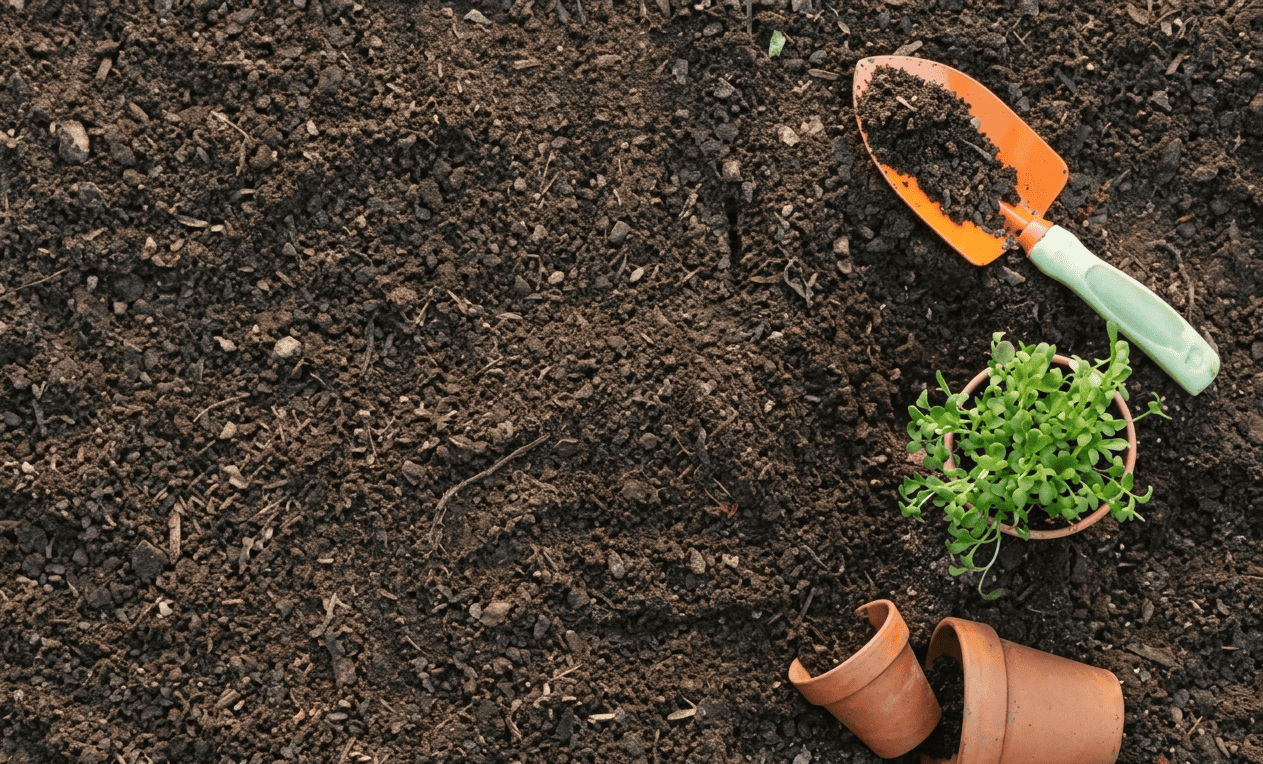
In addition, soil structure determines its water retention capacity and ion distribution. In dry conditions, ions are more tightly bound to soil particles, making movement difficult. With sufficient moisture, water helps dissolve and release ions, increasing conductivity.
Electrical conductivity depends on the type of substance and the degree of ion dissociation; this is analyzed in more detail in the article Ranking the Best Electrical Conductors Currently Available
Differences between soil types are also evident in the EC index. Sandy soils retain water poorly, so they usually have low EC. Clay or loamy soils retain moisture better, creating conditions for ions to exist and move, resulting in higher conductivity. Soils with balanced water retention and drainage capabilities tend to have more stable EC values.
Irrigation water, fertilizers, and soil depth alter electrical conductivity
Irrigation water carries dissolved substances that can alter the ion concentration in the soil. If the water contains a high salt content, conductivity will gradually increase over time. Conversely, rainwater or water sources with low mineral content can reduce salt concentration around the root zone.
Fertilizers directly supplement nutrient ions, thus significantly affecting EC. When used in high amounts, the accumulated salts in the soil will increase conductivity. If the threshold is exceeded, this excess can be detrimental to plants.
In addition, the depth of the soil layer also makes a difference in EC. The topsoil is usually rich in nutrients, suitable for root development. If the underlying soil contains a lot of clay or is near bedrock, the potential for ion accumulation may be higher, thereby altering conductivity.