For full functionality of this site it is necessary to enable JavaScript.
EMIN.COM.LA
0

Digimatic Caliper Calibration Procedure

26/04/y 13:37:28

**INSTRUCTION**** ** ** ** **1\. Range of application** This technical document specifies the calibration of digimatic calipers with up to 600 mm in me

INSTRUCTION


1. Range of application

This technical document specifies the calibration of digimatic calipers with up to 600 mm in measuring range and 0.01 mm resolution.

2. Calibrating techniques
- Outside check
- Technical check
- Measurement check

3. Calibrating instruments
3.1 Standard measuring instrument (s)
Caliper checker: 
- Range of Measurement: (20 ÷ 300) mm
                                          (20 ÷ 600) mm
- Accuracy: ± 5 µm (L ≤ 300 mm)
                   ± 7 µm (L > 300 mm)

3.2 Other measuring instrument (s)

Inside and Outside Micrometer: 

- Range of Measurement: (0 ÷ 25) mm

                                          (5 ÷ 30) mm

- Resolution: 0.001 mm

- Accuracy: ± 1 μm

                   ± 5 μm

3.3 Supporting instrument (s)

Hygro-Thermometer:
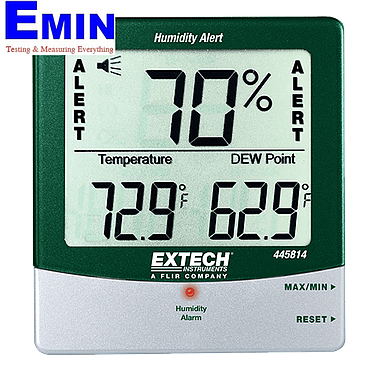
EXTECH 445814 Hygro-Thermometer Humidity Alert with Dew Point

- Range of Measurement: (0 ÷ 50) °C

- Accuracy: ± 0,5 °C

- Range of Measurement: (10 ÷ 95) %RH

- Accuracy: ± 3 %RH

4. Auxiliary Instrument(s)

- Specialized cleaning solution and towel

5. Conditions for Calibration

- Temperature: (23 ± 5) °C

- Humidity: no higher than (50 ± 15) %RH

6. Prepare for Calibration
Prior to the calibration, the following preparations must be done:
- Prepare the standard instrument
- Select the suitable standard instrument to calibrate the caliper.
- Use the cleaning solution and specialized wipes to clean the surface of the standard instrument.
- Place standard instruments in the calibration room for temperature stabilization for at least two hours.
Prepare the caliper to be calibrated:
- Clean the caliper and its jaws with industrial gasoline or equivalent solvents.
- Place the caliper near the standard instrument in the calibration room for at least two hours to stabilize the temperature before performing the calibration.
7. Begin the calibration
7.1 Outside Check
7.2 Technical Check
7.3 Measurement Check
7.3.1 Identify the accuracy of the caliper
- Outside measurement
- Inside Measurement
7.3.2 Check the deviation of the jaw
- Outside jaws
- Inside Jaws

8. Reliability Evaluation

9. General handling

a. The calibrated caliper is stamped, certified in paper along with calibration results, and measurement uncertainty.

b. The recommended calibration cycle of digimatic caliper is 12 months.

10. About EMIN's Calibration - Verification - Repair center

EMIN Vietnam’s Calibration and Verification center has been established since 2020 to provide after-sales services. The Calibration and Verification center is thoroughly equipped with technical equipment, followed by the assistance from various equipment manufacturers around the globe. At the center, calibration of specialized equipment is successfully carried out by experienced engineers in EMIN Vietnam, ensuring fast, accurate, reliable procedure to meet the most demanding customers’ requirements). Such technical capacity can only be performed by very few technology businesses in Vietnam. Meanwhile, after tireless effort, the Calibration and Verification center of EMIN Vietnam is officially certified to be accredited by the ISO 17025 standard (Jan, 2021)

If you want your instruments calibrated, please contact:

Equipment Verification - Calibration - Repair Service Center - EMIN Vietnam JSC 

Address: No 203 Nguyen Ngoc Vu Street, Trung Hoa Ward, Cau Giay District, Ha Noi City

Email: services@emin.vn - Hotline: 0968.060.220

Further information about digimatic calibration service can be found here.

ຂ່າວທີ່ກ່ຽວຂ້ອງ

5 Little-Known Outdoor Error Sources of Laser Distance Meters
10/10/y 11:23:17

Laser distance meters typically achieve millimeter-level accuracy indoors, but errors immediately appear when used on a blazing construction site. The root of the issue lies deep within the physical and optical mechanisms operating inside the device

How High CO2 Levels in Enclosed Classrooms Affect Students, and Where to Correctly Place Sensors for Measurement
10/10/y 10:36:22

In classrooms where dozens of students sit in close proximity, air conditioners are turned on and windows kept tightly shut during hot weather, causing CO2 from exhaled breath to accumulate rapidly. This article addresses the questions frequently raised by school administrators, teachers, parents, and school management bodies covering everything from the impact on students and the CO2 thresholds requiring monitoring to the proper selection and installation of sensors

How a Lack of Fresh Air in Offices Causes Harm, Which Metrics Measure It, and What Solutions Address It
09/10/y 15:43:24

Modern office buildings are designed to be airtight to retain cool air and conserve energy for central air conditioning systems. If the supply of fresh air falls below design specifications, CO2, fine dust, and volatile organic compounds (VOCs) begin to accumulate within the workspace. This impacts employee health, work quality, personnel costs, and the building owner's reputation. This article addresses the questions frequently raised by business owners, building managers, and HVAC engineers

Advantages of Lead-Free Soldering Stations
09/10/y 14:45:40

Lead-free soldering stations provide fast, stable heating to meet stringent quality and durability requirements across industries such as aerospace, medical devices, and automotive electronics. They also help protect operators' health and reduce environmental pollution.

ຕິດຕາມຂ່າວສານ ແລະ ຂໍ້ສະເໜີ

ຮັບສ່ວນຫຼຸດພິເສດຕາມປະລິມານ, ອັບເດດລາຄາຂາຍສົ່ງ ແລະ ການແຈ້ງເຕືອນສິນຄ້າໃໝ່ສົ່ງກົງເຖິງອິນບັອກຂອງທ່ານ.

ໂດຍການສະໝັກສະມາຊິກ, ທ່ານຍອມຮັບ ເງື່ອນໄຂການໃຫ້ບໍລິການ ແລະ ນະໂຍບາຍຄວາມເປັນສ່ວນຕົວ ຂອງພວກເຮົາ.

ການຊ່ວຍເຫຼືໍາດ່ວນ

ເຂົ້າເຖິງຜູ້ຊ່ຽວຊານທີ່ໄດ້ຮັບການຢັ້ງຢືນຂອງພວກເຮົາໂດຍກົງ