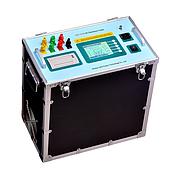
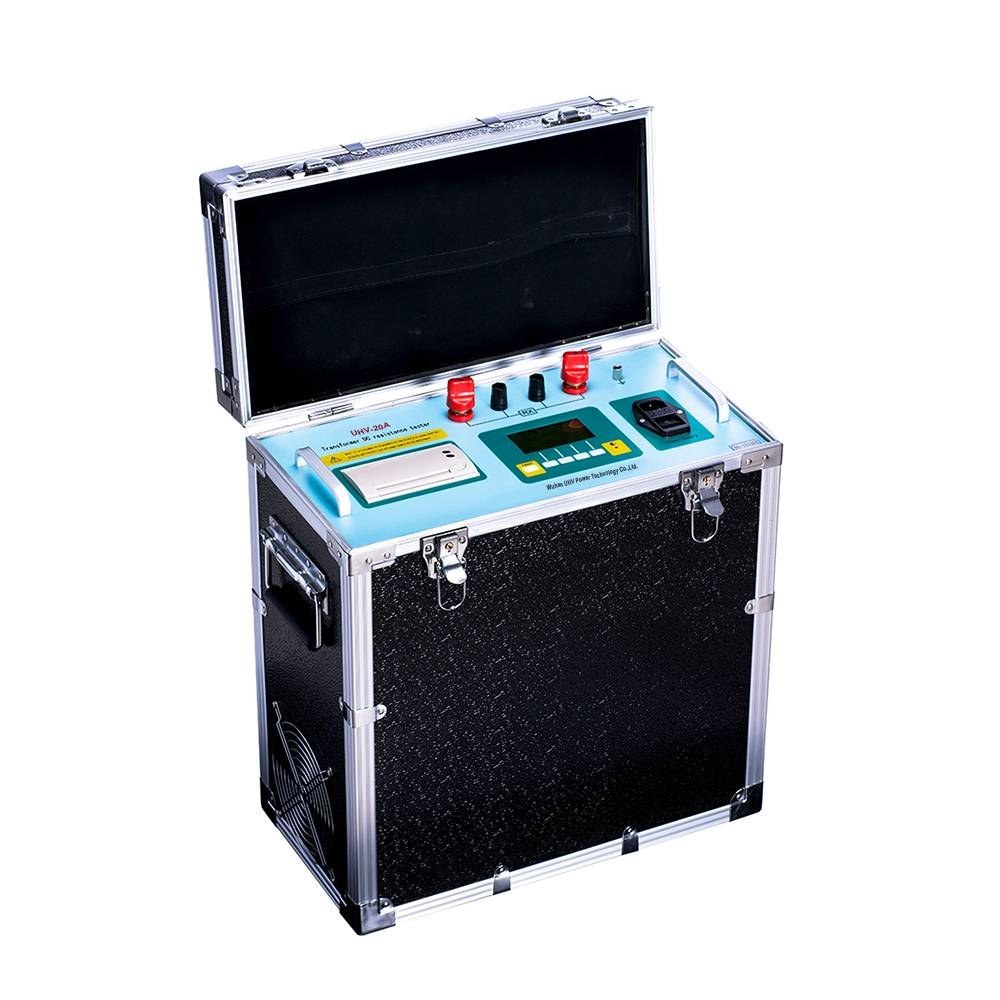
A DC resistance tester is used to measure the direct-current resistance of electrical equipment and conductive connections. In power equipment testing, this measurement can help teams review the condition of transformer windings, switching contacts, cables, busbars, and motor windings. While resistance is only one diagnostic parameter, a consistent testing process can make the resulting data more useful for maintenance assessment.
Why DC Resistance Measurement Matters
DC resistance readings can provide an indication of connection quality and conductor condition. A reading that differs from an expected or historical result may warrant further investigation. Potential contributing conditions can include loose connections, oxidation or corrosion, poor crimping, damaged conductor strands, or other connection-related issues.
The measurement is relevant across several equipment types. For transformers, winding DC resistance is an important reference point when considering manufacturing quality and operating condition. An unusual result may be associated with concerns such as loose joints, broken conductors, or winding-related faults. The reading should be considered alongside other applicable inspection results rather than used as a standalone conclusion.
For circuit breakers, contact resistance between moving and stationary contacts matters because an increase in resistance can contribute to energy loss and heating. In cables, measurements at joints and terminals can help identify poor connections or loose crimps. The same basic approach can also be applied to busbars and motor windings where DC resistance is a relevant parameter.
Factors That Influence Test Results
Reliable DC resistance measurement depends on more than the instrument alone. Test personnel should document the conditions that can affect a reading and use a consistent method for meaningful comparison.
Temperature
Conductor resistance changes with temperature. As temperature increases, conductor resistance increases; as temperature decreases, it falls. Recording the temperature during the test and applying the required correction to a standard temperature are therefore important steps when results will be compared across different occasions.
Contact Condition
Connections between the test leads and the equipment under test have a direct influence on results. Loose, contaminated, oxidized, or poorly secured contact points can increase measured resistance. Before recording a result, confirm that the connection is secure and suitable for the measurement.
Measurement Current
The selected test current should suit the resistance value of the equipment being tested and the relevant testing requirements. Different measurement currents may produce slight differences in results. DC resistance testers may operate from a few milliamps to tens of amperes depending on the application, so selection should be based on the test object, required accuracy, and site conditions.
Building a Consistent Test Procedure
A standardized procedure helps reduce avoidable variation between operators and test sessions. Start by confirming the equipment is prepared for testing and the test connection is secure. Record identification details for the equipment, test point, temperature, selected current, and measured value. This context is essential when results are reviewed later.
Repeatable records also support trend analysis. Comparing current readings with prior measurements can help reveal gradual aging trends or sudden changes that deserve attention. A single deviation does not identify a specific fault by itself, but it can guide a more focused inspection.
Instrument condition is equally important. Regular calibration and verification help ensure that the DC resistance tester is operating as intended. Operators should follow the applicable operating procedures and select an instrument whose range, accuracy, and portability fit the work environment and measurement task.
Use DC Resistance Data in Broader Equipment Assessment
DC resistance measurement becomes more informative when evaluated with other available test data. For example, teams may correlate resistance results with insulation resistance or dielectric loss results to develop a broader view of equipment condition. Experienced technicians can also use historical site knowledge to recognize subtle changes that may not be obvious in an isolated reading.
Wuhan UHV Power Technology lists transformer testers, cable testers, insulation resistance testers, and other electrical testing equipment among its product categories. Regardless of the instrument selected, careful setup, documented conditions, and disciplined comparison of results are central to effective DC resistance testing.
Frequently Asked Questions
What can a DC resistance tester measure?
It can be used for electrical equipment including transformer windings, circuit breaker contacts, cable joints and terminals, busbars, and motor windings.
Why should temperature be recorded?
Temperature affects conductor resistance. Recording it supports correction to a standard temperature and improves the comparability of results.
What can cause an unexpected resistance reading?
Possible causes include poor test contact, loose or oxidized connections, inadequate conductor cross-section, damaged conductor strands, and corrosion. Further inspection is needed to determine the actual cause.